As we saw in Chapter 2, business is virtually impossible without semantics. Everything we do involves conveying meaning at some level. However, at the same time it is the semantics or, more precisely, near but not perfect matches in meaning that make business so difficult. Each industry, subindustry, and market tends to create its own semantics and its own definitions of what terms mean. Of course it doesn't stop there, because we've built systems on top of these semantics.
In this chapter we explore how automating a business process "bakes in" some set of semantics. We'll see how the roles of humans and applications as semantic interpreters interact, and specifically how getting more precise about the semantics in our systems is a double-edged sword: It allows more opportunity for automation while at the same time making those systems more brittle and hard to maintain.
Semantics in Business Systems
What happens when we turn a semantic conversation into a business system? In an operative business system, "Semantics = Data + Behavior." [6] As portrayed in Figure 3.1, the semantic aspects of the behavior and the semantic aspects of the data are constantly chasing each other.
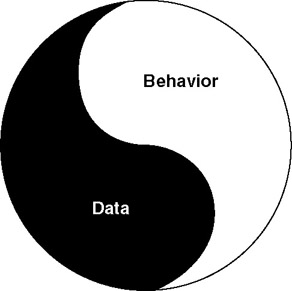 Figure 3.1: Semantics = Data + Behavior.
 In this chapter we examine what happens to behavior (or process) as it is turned into a business system. But first a quick definition: A business system is a formalized capital investment in a business process. We will return to the capital investment aspect of this later in the chapter.
Copyright Elsevier (USA) 2004 under license agreement with Books24x7


 TABLE OF CONTENTS