A Guide to the Project Management Body Of Knowledge (PMBOK® Guide), Fourth Edition

Project Risk Management includes the processes of conducting risk management planning, identification, analysis, response planning, and monitoring and control on a project. The objectives of Project Risk Management are to increase the probability and impact of positive events, and decrease the probability and impact of negative events in the project.
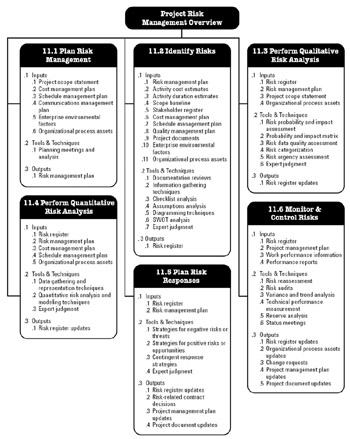
Figure 11-1 provides an overview of Project Risk Management processes, which are as follows:
11.1 Plan Risk Management The process of defining how to conduct risk management activities for a project.
11.2 Identify Risks The process of determining which risks may affect the project and documenting their characteristics.
11.3 Perform Qualitative Risk Analysis The process of prioritizing risks for further analysis or action by assessing and combining their probability of occurrence and impact.
11.4 Perform Quantitative Risk Analysis The process of numerically analyzing the effect of identified risks on overall project objectives.
11.5 Plan Risk Responses The process of developing options and actions to enhance opportunities and to reduce threats to project objectives.
11.6 Monitor and Control Risks The process of implementing risk response plans, tracking identified risks, monitoring residual risks, identifying new risks, and evaluating risk process effectiveness throughout the project.
These processes interact with each other and with the processes in the other Knowledge Areas. Each process can involve effort from one or more persons based on the needs of the project. Each process occurs at least once in every project and occurs in one or more of the project...