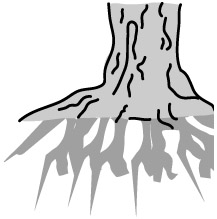
If you have always done it that way, it is probably wrong.
Charles Kettering
The terms "Root Cause Analysis" or "Root Cause Failure Analysis" have become quite popular over the last several years. There are a number of consultants offering a variety of techniques to perform root cause analysis. True root cause failure analysis can lead to dramatic improvements in reliability and overall performance. In addition, when individuals embrace many of the concepts involved in real root cause analysis, it can lead to significant insights concerning how their organization really functions.
Root cause analysis applies to a broad range of problems but for purposes of this discussion we are concerned only with identifying the root cause leading to the failure of physical systems or equipment. If you have been following the path described in past chapters, you have:
-
Started with a Malfunction Report
-
Continued using available information to perform a diagnosis
-
Used the recommendations coming from the diagnosis to perform troubleshooting
-
Used troubleshooting findings to identify required repairs
-
Classified the identified defect as a specific Failure Mode
-
Performed Failure Analysis to identify the Failure Mechanism
In each event you have been focusing on a piece of physical equipment or a component with a defect.
In root cause analysis, your first step is to identify the "physical cause". Specifically, we are looking for a cause that is responsible for the identified Failure Mechanism.
For instance, if the failure mechanism is fatigue, and the fatigue resulted from unrestrained vibration or other motion,...
Copyright Industrial Press Inc. 2008 under license agreement with Books24x7


 TABLE OF CONTENTS