DUMP TRUCKS
The dump truck is probably the most familiar of the machines used for excavation. However, its structure is rather complex, and it is so important that a detailed description is in order.
It is composed of four major assemblies. The chassis includes the frame, bumper, springs, dead axles, wheels, and tires. The power train, which is supported by the chassis, consists of engine, clutch, transmission, driveshaft, differential, and live axles. The cab is the driver s compartment. The body assembly, which includes the carrying box, tailgate, cab shield, and the hydraulic system and controls, is an entirely separate unit, usually made by a different manufacturer and adaptable to different makes of truck.
The dump truck in Fig. 18.1 may be considered typical of the medium-size trucks that can operate on highways.
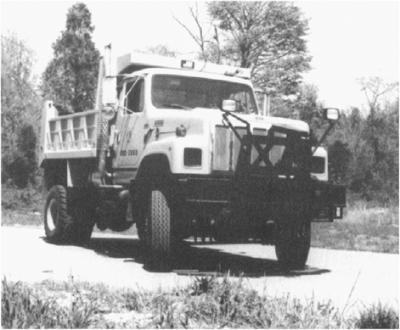 FIGURE 18.1: On-highway dump truck. ( Courtesy of Marmon-Herrington Co.)
 ON-HIGHWAY TRUCKS
Frame. The frame, shown in Fig. 18.2, consists of two parallel pressed-steel channels with cross braces, some of which serve as supports for the engine and transmission. The front cross member is extended to the sides and serves as a bumper.
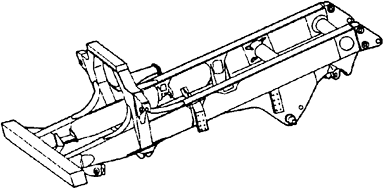 FIGURE 18.2: Sturdy truck main frame.
 The frame side members behind the cab have about a 3-foot spacing. The length of the chassis from the back of the cab to the rear axle may be 5, 6, 7, or 8 1/2 feet. The width and lengths of this section are standardized for most makes of trucks for convenience in mounting bodies.
For...


 TABLE OF CONTENTS