Site Planning and Design Handbook

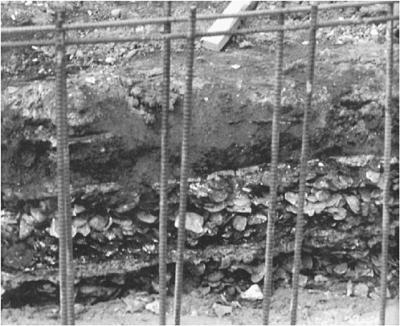
For the most part brownfield redevelopment employs all of the techniques and materials normally used in site design. Depending on the site, some additional extraordinary steps or elements might be required. For most brownfield sites, site design issues are limited to dealing with capping, installing utilities in contaminated materials, using vegetation, allowing for drainage, controlling the risk of exposure to workers and users, and postconstruction remediation issues. Soil conditions can be demanding (Fig. 7.29). Many soils on brownfield sites consist of artificial land and unconsolidated fills, and many soils are expansive.
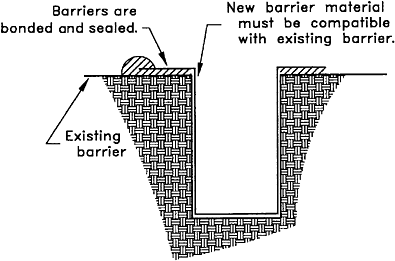
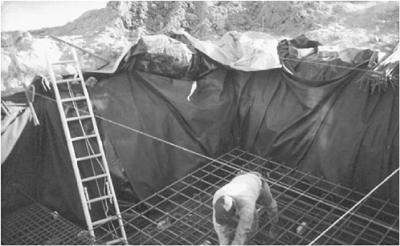
Development on a capped site poses some challenges for the designer. Constructing a cap on a contaminated site isolates and contains contaminated material from receptors and from natural transport mechanisms. Most development, however, involves the installation of underground utilities and infrastructure that by definition penetrate the zone of contamination. Plans requiring the installation of utilities in contaminated materials should be carefully considered. The best practice may be to isolate the utility trench or foundation excavation from the contaminated material by lining the trench with the cap material or other suitable alternative (Figs. 7.30 and 7.31). Caps
are constructed of a variety of materials but today most are made of impermeable geotextiles that lend themselves to lining trenches and excavations.
Capping may restrict plant root penetration, which might...