11.42. INTRODUCTION TO AVIONICS
In this Part, computer-based technologies used for supporting more and more aircraft functions are presented. The term avionics ( aviation electro nics) refers to aircraft equipment serving aircraft functions such as communications, navigation, and automatic flight control. In fact between aircraft functions and embedded equipment there is an intermediate concept, called system, including many pieces of equipment, some of them being computers with a significant amount of software. Figure 11.84 is a class diagram introducing the basic notions and their relationships.
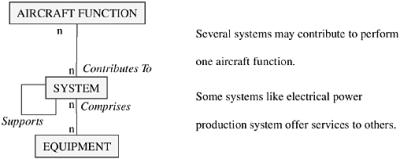 Figure 11.84: High-level conceptual model for avionics.
 The main top-level aircraft functions are:
-
Provide and distribute communications (with ATMS, airlines, crew, etc.)
-
Plan, generate, and control aircraft movement
-
Provide crew, passenger, and cargo environment and services
-
Detect and analyze aircraft conditions for flight
-
Provide airframe movement and attachment capability
-
Provide containment and internal support
Each top-level function may be decomposed into subfunctions. For instance, function 2 above includes navigational guidance, aircraft performance monitoring, flight planning, thrust control, ground braking, aerodynamic configuration control, auto-managed and controlled flight, fuel management, etc.
Many aircraft functions performed in the past by mechanical, hydraulic, or electrical systems are now implemented as computer-based systems. A system is an aggregate of equipments. For instance, the flight control system of an aircraft includes equipment (like the rudder pedal, the ailerons, elevators, spoilers, hydraulic actuators, electrical and hydraulic connections, sensors, and computers inputting/ outputting...

 TABLE OF CONTENTS