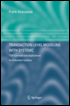
Transaction Level Modeling with SystemC: TLM Concepts and Applications for Embedded Systems
Nowadays, no hardware design of a system-on-chip is worth developing without any software to exercise its functions. The trend of the smaller the better in SoC design concept has rapidly pushed the role of software into prominence during SoC hardware design process. While hardware aspects are getting very tough to handle due to the ever-rising SoC complexity, the weight of software aspects becomes more and more important in the overall system to manage new hardware functionalities and to replace certain hardware features.
This chapter highlights the brand-new role of software in conjunction with TLM platforms. It underlines the core idea of how system embedded software and TLM platforms could enhance and enrich each other in their respective missions.
The conventional design approach allows a significant amount of the software being developed, compiled and tested before any strict form of the hardware platform is made available. Only a specific part of software could be developed when the detailed information tightly associated with the hardware is accessible in the form of RTL or emulation platform. This part is usually the toughest and longest to test and debug. Unfortunately, software developers are always bound to wait quite long for such hardware platform in order to validate their development work. This is not only a costly time loss, but also an inefficient cooperation between hardware and software designers for lack of a common development base.
Despite the somewhat opposed design philosophies between hardware and software fellows, current SoC complexity is urging...