Vibration Spectrum Analysis: A Practical Approach, Second Edition

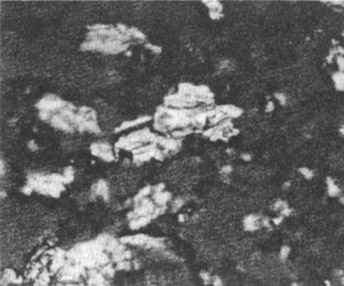
Analytical Ferrography: A technique, which separates magnetic wear particles from oil and deposits them on a glass slide known as a ferrogram. Microscopic examination permits characterization of the wear mode and probable sources of wear in the machine. An automated version of this magnetic separation technique is DR (direct read) ferrography. It measures the ratios of large and small particles in the sample, and the data may be used to calculate the wear particle concentration and the severity index, two parameters, which allow for trending. It is an excellent indicator of abnormal ferrous wear occurring. It is unsuitable for nonferrous wear, however, and the test is most useful when a wear trend has been established. The ferrograph uses a magnetic separation technique which causes primarily ferrous particles to be deposited in a mono-layer on a glass substrate, segregated generally by size and into strings of particles. The resulting ferrogram is a permanent record of the ferrous wear in the machine.
Patch test A membrane filter patch is used to filter out debris from a known volume of oil. The membrane pore size is typically 0.45 ?m, and a diluent is used to aid filtration. The test catches all debris, and is very effective if used in conjunction with ferrography. If spectroscopy shows that primarily non-ferrous metals are involved with a severe wear mode, the ferrogram effluent may be tested with a patch.