
Pharmaceutical Respirators and Dust Masks
Description
Pharmaceutical respirators and dust masks are designed to protect the wearer from inhaling hazardous airborne particles, including dust, fumes, vapors, and other contaminants. These devices typically cover the nose and mouth, and in some cases, the entire face, to prevent particles from entering the respiratory system.
Working Principle
Pharmaceutical respirators and dust masks function by filtering out harmful particles from the air before they can be inhaled. Powered air-purifying respirators (PAPRs), for example, use a blower to draw air through a HEPA filter, removing contaminants and supplying purified air to the facepiece. This creates a positive airflow inside the mask, offering a higher level of protection compared to non-powered respirators. The filtration process is crucial for maintaining air quality and ensuring the safety of the wearer in environments with airborne hazards.
Applications
In the pharmaceutical industry, respirators and dust masks are essential for protecting workers who handle inhalable dust from pills and powders. Specific examples include pharmacists and lab technicians who are exposed to airborne particles during medication preparation. These devices are also used in environments where there is a risk of exposure to chemical agents or biological hazards, ensuring the safety of healthcare providers and other personnel.
Advantages over other Respirators and Dust Masks
Powered air-purifying respirators (PAPRs) offer significant advantages over traditional non-powered respirators. They provide a higher assigned protection factor (APF), which means they offer better protection against airborne contaminants. The use of a blower to create positive airflow inside the mask reduces breathing resistance and increases comfort for the wearer, making them more suitable for extended use in demanding environments.
Limitations
One limitation of pharmaceutical respirators and dust masks is that they may not be suitable for all environments. For instance, certain respirators are only recommended for non-IDLH (Immediately Dangerous to Life or Health) environments, where contaminant levels are known and controlled. Additionally, the effectiveness of these devices depends on proper fit and seal, which can be challenging to achieve for all users.
Considerations
When selecting pharmaceutical respirators and dust masks, several factors should be considered. Initial costs can vary depending on the type and complexity of the respirator. Operating expenses include the cost of replacement filters and cartridges, which need to be changed periodically to maintain effectiveness. Durability and maintenance are also important, as some respirators require regular cleaning and inspection to ensure they remain in good working condition. Lastly, the accuracy of fit and seal is crucial for optimal protection, necessitating proper training and fit testing for users.

from MSA Safety
A battery operated blower brings air through the cartridge, up the breathing tube and into the wearer's respirator inlet covering. MSA's OptimAir TL PAPR incorporates a sleek, low-profile design for user comfort never before offered in a PAPR. All components, including the motor blower, cartridges,... [See More]
- Industry: Environmental Remediation; Pharmaceutical
- Application: Dust/Fiber; Chemical
- Type: Cartridge / Filter
- Features: Ventilated
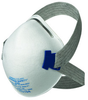
from Kimberly-Clark Professional
Reliable respiratory protection and all-day comfort for a variety of needs are available from Kimberly-Clark masks, respirators and other breathing equipment. [See More]
- Industry: Cleanroom; Building & Construction; Food and Beverage; Foundry; Environmental Remediation; Labratory; Logging; Marine; Medical; Mining; Painting; Pharmaceutical; Automotive Manufacturing
- Application: Smoke / Fumes; Biological Protection; Chemical
- Type: Powered Air Purifying Respirator
- Features: Disposable