
Food / Beverage Single Component Diaphragm Valves
Description
Food and beverage single component diaphragm valves are designed to control the flow of various materials within a system. These valves are capable of dispensing both aerobic and anaerobic cured materials, which cure based on their exposure to air. The valves are constructed to withstand a range of material temperatures, ensuring proper functionality regardless of the media being transported.
Working Principle
Single component diaphragm valves operate by using a flexible diaphragm to regulate the flow of materials. The diaphragm acts as a barrier between the flow media and the actuator, preventing contamination and ensuring precise control. This design is particularly useful in maintaining hygiene and preventing leaks, which is crucial in food and beverage applications. The simplicity of the single component design reduces potential weak points, making these valves reliable under high-pressure conditions.
Applications
These valves are widely used in the food and beverage industry for applications such as dispensing adhesives, silicones, and high viscosity liquids. They are also utilized in clean rooms and laboratories, where maintaining a sterile environment is critical. Specific examples include their use in mayonnaise processing, where solenoid valves ensure the proper flow of ingredients, and in professional coffee machines, where they help manage the flow of water, steam, milk, and syrups.
Advantages over other Single Component Diaphragm Valves
Single component diaphragm valves offer several advantages, particularly in handling viscous fluids. Their construction minimizes seam locations, reducing the risk of air ingress that could cause aerobically curable products to harden and potentially lead to system blockages. This design also enhances durability and reduces the likelihood of production downtime due to valve failure.
Limitations
One limitation of these valves is their potential unsuitability for high-fat content products, such as oils or butter, as indicated by the use of specific materials like FoodPro EPDM, which is not recommended for such applications. Additionally, the presence of dead space within the valves can pose contamination risks if not properly addressed, affecting the quality and safety of the dispensed products.
Considerations
When selecting food and beverage single component diaphragm valves, it is important to consider factors such as initial costs, operating expenses, and maintenance requirements. The durability and accuracy of the valves are critical for ensuring consistent performance and minimizing downtime. Replacement and maintenance costs should also be evaluated, as these can impact the overall cost-effectiveness of the valve system in the long term.
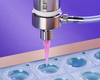
from Nordson EFD
Nordson EFD's 754V aseptic dispense valve features a smooth fluid flow path that is free of any entrapment areas. FDA-compliant wetted parts make the valve suitable for CIP (Clean-In-Place) and SIP (Sterilize-In-Place) medical assembly processes. With a flow path free of entrapment areas, the 754V... [See More]
- Application: FoodBeverage; MedPharmaceutical
- Material Feed: Batch (Syringe)
- Dispensing Application: Dot
- Shot Size: 5.00E-4 to 60

from Deltrol Controls/Division of Deltrol Corp.
2-way, pilot operated valve designed to dispense fluids at relatively high flow rates up to 30 psi. High relative flow and pressure rating. Multiple port and bracket options. Quiet internally rectified AC coils. Applications. •Hot & Cold drink dispensers. • Tank or boiler draining. [See More]
- Application: FoodBeverage; Tank or Boiler Draining
- Material Feed: Continuous Feed
- Dispensing Application: Fill ("potting")
- Inlet Pressure Range: 0.0 to 25

from Deltrol Controls/Division of Deltrol Corp.
3-way, direct acting solenoid valve used to dispense low pressure water or similar media (up to 2 psi). Features. Up to 0.7 fl oz/sec at 2 psi. Quick Connect and Barb port options. Dry plunger design. NSF certified. Ideal for beverage equipment applications [See More]
- Application: FoodBeverage; Mixing, Flow Diversion
- Material Feed: Continuous Feed
- Dispensing Application: Fill ("potting")
- Inlet Pressure Range: 0.0 to 2