
Film Based System X-ray Instruments and X-ray Systems
Last Updated: April 1, 2025
Description
Film-based X-ray systems are designed to capture images by converting X-ray radiation into visible light, which is then recorded on photographic film. These systems are primarily used for radiographic inspection, providing a visual representation of the internal structure of an object or body.
Working Principle
Film-based X-ray systems operate by using a scintillating screen, also known as an X-ray intensifying screen, which converts X-ray photons into visible light. The screen is composed of high Z phosphors that emit light when exposed to X-rays. This light is then captured on photographic film, creating an image. The process involves the photoelectric effect, where X-ray interactions within the screen release photoelectrons, which in turn generate electron-hole pairs, resulting in the emission of light. This method is useful because it amplifies the X-ray signal, allowing for lower doses of radiation while still producing a clear image .
Applications
Film-based X-ray systems are used in a variety of applications, including:
- Medical Imaging: These systems are employed in traditional medical imaging, such as dental and podiatry applications, as well as in advanced medical imaging equipment like bone densitometry devices .
- Security and Inspection: They are utilized in security control systems for general package inspection and airport security checkpoints .
- Non-Destructive Testing (NDT): Film-based X-ray systems are applied in NDT to inspect materials and components without causing damage, ensuring structural integrity and safety .
Advantages over other X-ray Instruments and X-ray Systems
Film-based X-ray systems offer several advantages:
- Signal Amplification: The use of scintillating screens allows for significant signal amplification, reducing the required dose of X-rays and minimizing exposure to radiation .
- High-Resolution Imaging: These systems can produce high-resolution images due to the fine grain of the photographic film, which is beneficial for detailed inspections.
Limitations
Film-based X-ray systems have certain limitations:
- Sensitivity: The sensitivity of X-ray film to direct X-ray exposure is relatively low, necessitating the use of intensifying screens to enhance image quality .
- Environmental Susceptibility: X-ray systems, in general, can be more susceptible to harsh operating conditions, which may affect their longevity and performance .
Considerations
When considering film-based X-ray systems, several factors should be taken into account:
- Initial Costs: The initial setup cost can be significant due to the need for specialized equipment and materials.
- Operating Expenses: Ongoing costs include the purchase of film and chemicals for developing images, as well as maintenance of the equipment.
- Durability and Maintenance: These systems require regular maintenance to ensure optimal performance and longevity. The durability of the system can be affected by environmental conditions, necessitating controlled environments for operation .
- Accuracy: While film-based systems provide high-resolution images, the accuracy of the results can be influenced by the quality of the film and the precision of the developing process.
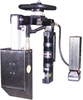
from Sentinel
OpenVisionTM LT-NDT is a light weight portable x-ray system for hand-held inspection. It includes a highly sensitive x-ray imager and battery-operated 70kV x-ray tube designed for portable field operation. This unit ’s 4" x 6" imaging area and real-time video allows the operator to quickly... [See More]
- System Type: Film Based System; X-ray Generator / Source
- X-ray Voltage: 40 to 70
- Form Factor: Portable / Handheld / Mobile
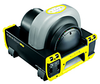
from Sentinel
Check up to five results to perform an action. With the SENTINEL ™Vision HR Digital Radiography System you get state-of-the art imaging quality in a portable, durable and affordable package. Specifically designed for inspections both in the field and in the lab, SENTINEL ™Vision HR is a... [See More]
- System Type: Film Based System; Digital Scanner
- Form Factor: Bench / Rack / Cabinet; Portable / Handheld / Mobile