
Electro-Mechanical Switch Mass Flow Switches
Description
Electro-mechanical switch mass flow switches are devices designed to measure the flow or quantity of a moving liquid or gas in terms of mass per unit time, such as pounds per minute. These switches can either be sensors with electrical output or stand-alone instruments featuring local displays and controls. They are capable of controlling a wide range of current and voltage options and are not affected by environmental factors such as dirt, mist, magnetic fields, or extreme temperature ranges .
Working Principle
Electro-mechanical mass flow switches operate by using mechanical contacts or relays to detect changes in flow. These switches typically involve a sensing element that moves in response to the flow of liquid or gas, which in turn activates the mechanical contacts to open or close. This movement is often triggered by the force of the flow stream, which requires specific application details such as the fluid's density, viscosity, temperature, and pressure to be specified during installation . The switches are useful because they provide a reliable means of monitoring flow without being affected by environmental conditions, and they can adapt to misalignment in installation to prevent leakage current .
Applications
Electro-mechanical switch mass flow switches are used in various applications where monitoring the flow of liquids or gases is critical. For example, they are employed in industrial settings to verify fluid flow to analyzers, ensuring that processes run smoothly and efficiently . They are also used in cooling towers to protect against fluid delivery pump failures by determining whether the flow is above or below a predetermined setpoint .
Limitations
One of the primary limitations of electro-mechanical switch mass flow switches is their limited contact life cycle, which can affect long-term reliability. Additionally, these switches tend to be larger in size and have a slower response time compared to solid-state switches. The price of electro-mechanical switches can also be a disadvantage, especially when compared to other technologies that offer faster switching capabilities without the drawbacks of mechanical wear and tear .
Considerations
When considering the use of electro-mechanical switch mass flow switches, it is important to evaluate initial costs, operating expenses, and maintenance requirements. While mechanical devices with factory-fixed trip points can be cost-effective, those with adjustable trip points may be significantly more expensive. Durability and accuracy are also key considerations, as the presence of springs, magnetic components, and seals in the wetted flow stream necessitates careful evaluation of material compatibility. Replacement and maintenance costs should be factored into the overall cost of ownership, as the mechanical components may require more frequent servicing compared to solid-state alternatives .
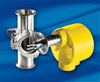
from Fluid Components Intl. (FCI)
The FLT93C insertion and inline type FlexSwitches for sanitary flow, level and temperature monitoring represents the first true technological breakthrough in thermal technology in over a decade. This product is specifically designed for sanitary 3A process applications. FCI is the only thermal... [See More]
- Switch Type: Electro-mechanical
- Mounting: Insertion
- Meter Technology: Thermal
- End Fittings: In-line Flanged

from Fluid Components Intl. (FCI)
The FLT93L inline type FlexSwitch for flow and temperature monitoring represents the first true technological breakthrough in thermal technology in over a decade. FCI is the only thermal manufacturer providing temperature compensation to ensure set point accuracy for process temperatures that vary... [See More]
- Switch Type: Electro-mechanical
- Pipe Diameter: 0.75 to 1.00
- Meter Technology: Thermal
- Mounting: In-line
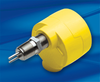
from Fluid Components Intl. (FCI)
The FLT93B BASIC insertion type FlexSwitch for flow and temperature monitoring represents the first true technological breakthrough in thermal technology in over a decade. FCI is the only thermal manufacturer providing temperature compensation to ensure set point accuracy for process temperatures... [See More]
- Switch Type: Electro-mechanical
- Pipe Diameter: 0.75
- Meter Technology: Thermal
- Mounting: Insertion

from Fluid Components Intl. (FCI)
The FLT93F insertion type FlexSwitch for flow and temperature monitoring represents the first true technological breakthrough in thermal technology in over a decade. This product was designed for heavy industrial environments including high temperature and high pressure. FCI is the only thermal... [See More]
- Switch Type: Electro-mechanical
- Pipe Diameter: 0.25 to 1.00
- Meter Technology: Thermal
- Mounting: Insertion
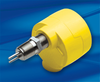
from Fluid Components Intl. (FCI)
The FLT93S insertion type FlexSwitch for flow and temperature monitoring represents the first true technological breakthrough in thermal technology in over a decade. This product was designed for heavy industrial environments including high temperature and high pressure. FCI is the only thermal... [See More]
- Switch Type: Electro-mechanical
- Pipe Diameter: 0.75 to 1.00
- Meter Technology: Thermal
- Mounting: Insertion