
Alarm LED Power Meters
Description
Alarm LED Power Meters are devices designed to monitor and display electrical power parameters. They incorporate visual alarms, typically using LED indicators, to alert users when certain thresholds or limits are reached. These meters are equipped with digital displays that provide real-time data on power consumption and other relevant metrics.
Working Principle
Alarm LED Power Meters function by measuring electrical parameters such as current and voltage. They use these measurements to calculate power consumption. The meters are equipped with digital displays that show this information in real-time. The LED alarm feature is activated when the measured parameters exceed predefined limits, providing a visual alert to the user. This functionality is crucial for maintaining system efficiency and preventing damage due to overloading or other electrical anomalies.
Applications
Alarm LED Power Meters are used in various industrial and commercial settings. For example, they are employed in manufacturing facilities to monitor machinery power usage, ensuring that equipment operates within safe limits. They are also used in data centers to manage power distribution and prevent overloads that could lead to system failures.
Advantages over other Process - Solids Processing Equipment
Alarm LED Power Meters offer several advantages over traditional process equipment. They provide real-time monitoring and alerts, which can prevent costly downtime by allowing for immediate corrective actions. Unlike some solids processing equipment, these meters can be easily integrated into existing systems without significant modifications, offering flexibility and cost savings.
Limitations
One limitation of Alarm LED Power Meters is their reliance on accurate calibration and setup. Incorrect settings can lead to false alarms or missed alerts, potentially causing operational disruptions. Additionally, these meters may not be suitable for environments with extreme conditions, such as high temperatures or humidity, unless specifically designed for such use.
Considerations
When selecting an Alarm LED Power Meter, consider factors such as initial cost, which can vary based on features and capabilities. Operating expenses are generally low, but regular maintenance and calibration are necessary to ensure accuracy. Durability is an important consideration, especially in industrial environments, where robust construction is required to withstand harsh conditions. Replacement and maintenance costs should also be factored into the overall cost of ownership, as these can impact long-term operational budgets.
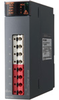
from Mitsubishi Electric Automation, Inc.
QE81-WH is a powerful tool that can be used as part of any serious attempt at energy saving by measuring different energy-using circuits and tracking and consumption variables; Line Current, Line Voltage, kW, kVAr and Power factor can all be tracked in real time. Data generated by the module can... [See More]
- Options & Features: Has Alarm LED
- Display Type: Digital
- Form Factor: Rack mount
- Phase: Single Phase; Three Phase
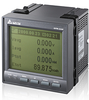
from Delta Electronics (Americas)
Delta's Power Meter DPM-C530A provides precise measurement of various power parameters including power factor, harmonics, current, voltage, and more. It is also equipped with an over-limit alarm and history logs storage for real-time monitoring purposes. The DPM-C530A is the perfect match for energy... [See More]
- Options & Features: Has Alarm LED; Data storage/ logging
- Display Type: Digital
- Form Factor: Rack mount
- Phase: Single Phase; Three Phase