
Brass / Bronze Injection Pumps
Last Updated: April 1, 2025
Description
Brass and bronze injection pumps are designed to move fluids by converting mechanical energy into hydraulic energy. These pumps are typically used to inject precise amounts of fluid into a system, ensuring controlled and accurate fluid delivery.
Working Principle
Brass and bronze injection pumps operate on the principle of positive displacement, where a fixed amount of fluid is drawn into a chamber and then forced out under pressure. The use of brass and bronze materials provides excellent resistance to corrosion and wear, making these pumps suitable for handling various fluids. The pumps are useful because they offer precise control over fluid flow, which is essential in applications requiring accurate dosing or injection.
Applications
While specific applications for brass and bronze injection pumps are not detailed in the provided documents, injection pumps in general are used across various industries. They are commonly found in sectors such as agriculture for fertilizer injection, in the chemical industry for precise chemical dosing, and in water treatment facilities for injecting disinfectants.
Advantages over other Injection Pumps
Brass and bronze materials offer significant advantages due to their corrosion resistance and durability. These properties make them ideal for applications involving corrosive fluids or environments where other materials might degrade more quickly. Additionally, the strength of these materials can support higher pressure ratings compared to some plastics, enhancing the pump's performance in demanding conditions.
Limitations
One limitation of brass and bronze injection pumps is their potential higher cost compared to pumps made from less durable materials like plastics. Additionally, while they offer excellent corrosion resistance, they may not be suitable for all chemical environments, particularly those requiring non-metallic materials.
Considerations
When selecting brass and bronze injection pumps, it's important to consider the initial costs, which may be higher due to the material quality. However, the durability and corrosion resistance of these materials can lead to lower operating and maintenance costs over time. The accuracy of fluid delivery is generally high, but regular maintenance is necessary to ensure continued precision and to prevent wear-related issues. Replacement parts may also be more expensive, reflecting the quality and durability of the materials used.
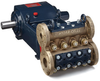
from Wanner Engineering, Inc.
Versatile, Reliable Pumps for a Wide Range of Applications. Hydra-Cell positive displacement diaphragm pumps feature a seal-less pumping chamber so there are no seals, packing or cups to leak or replace. The seal-less design and check valves enable Hydra-Cell to handle abrasives and particulates... [See More]
- Pump Housing Material: Brass Bronze; Nickel Aluminum Bronze
- Discharge Pressure: 500.0 to 1500.0
- Liquid Flow: 96.0
- Discharge Size: 2.000
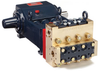
from Wanner Engineering, Inc.
Versatile, Reliable Pumps for a Wide Range of Applications. Hydra-Cell positive displacement diaphragm pumps feature a seal-less pumping chamber so there are no seals, packing or cups to leak or replace. The seal-less design and check valves enable Hydra-Cell to handle abrasives and particulates... [See More]
- Pump Housing Material: Brass Bronze; Nickel Aluminum Bronze
- Discharge Pressure: 500.0 to 5000.0
- Liquid Flow: 26.0
- Discharge Size: 1.250