
EMI/RFI Coating PC Enclosures
Last Updated: April 1, 2025
Description
EMI/RFI coating PC enclosures are designed to shield electronic components housed within them from electromagnetic interference (EMI) and radio frequency interference (RFI). These coatings are applied to the surface of plastic enclosures to enhance their ability to block unwanted electromagnetic signals, thereby protecting the sensitive electronics inside.
Working Principle
The working principle of EMI/RFI coating involves the application of a conductive material onto the surface of a plastic enclosure. This conductive layer acts as a barrier that absorbs and reflects electromagnetic waves, preventing them from penetrating the enclosure and interfering with the electronic components inside. The coatings are typically made from metals such as silver, copper, or nickel, which are known for their excellent conductive properties. By creating a continuous conductive path, these coatings effectively dissipate electromagnetic energy, thus shielding the electronics from interference .
Applications
EMI/RFI coated PC enclosures are widely used in various industries where electronic devices are susceptible to interference. Specific examples include:
- Medical Devices: These enclosures are used in medical equipment to ensure accurate readings and prevent malfunction due to external electromagnetic fields .
- Laboratory Equipment: In laboratory settings, EMI/RFI coatings help maintain the integrity of sensitive measurements by shielding instruments from external interference .
- Consumer Electronics: Devices such as mobile phones and tablets benefit from these coatings to prevent signal leakage and ensure proper functionality .
Advantages over other PC Enclosures
EMI/RFI coated enclosures offer several advantages over standard plastic enclosures:
- Enhanced Protection: The conductive coatings provide superior shielding against electromagnetic interference compared to uncoated plastic enclosures .
- Durability: These coatings are resistant to weathering, abrasion, humidity, and corrosion, ensuring long-lasting protection .
- Cost-Effectiveness: By reducing the need for additional filtering components, these coatings can lower overall system costs .
Limitations
Despite their benefits, EMI/RFI coated enclosures have certain limitations:
- Design Complexity: Proper design is crucial to ensure effective shielding, which may involve minimizing openings and using conductive tapes .
- Application Challenges: The coatings must be applied correctly to maintain their effectiveness, and improper application can lead to diminished protection .
Considerations
When considering EMI/RFI coated PC enclosures, several factors should be taken into account:
- Initial Costs: The cost of applying conductive coatings can vary depending on the materials used and the complexity of the enclosure design.
- Durability: While the coatings are generally durable, they must be maintained properly to ensure continued effectiveness.
- Replacement and Maintenance Costs: Over time, the coatings may need to be reapplied or repaired, which can add to maintenance costs. Proper application and handling can mitigate these expenses .
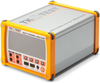
from Takachi Electronics Enclosure Co., Ltd.
EMC shielded desktop enclosure. Corner guards are designed to be both aesthetically pleasing and impact resistant. EMC shielding is achieved by having the unfinished inner sides of the top/bottom covers and panels, as well as the fabric-over-foam gasket in contact with one another. Available in 73... [See More]
- Features: EMI/RFI
- Length: 1.34 to 4.69
- Shape: Rectangular
- Width: 2.72 to 9.61
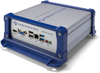
from Takachi Electronics Enclosure Co., Ltd.
EMC shielding is achieved by having the unfinished inner sides of the top/bottom covers and panels, as well as. the fabric-over-foam gasket in contact with one another. Equipped with flanged frame for easy wall mounting. Suitable for access points, IoT network devices, controllers, data loggers,... [See More]
- Features: EMI/RFI
- Length: 1.34 to 4.72
- Shape: Rectangular
- Width: 2.6 to 9.45