
Industrial UV Cameras
Description
Industrial UV cameras are specialized imaging devices designed to capture ultraviolet (UV) light, which is invisible to the human eye. These cameras are equipped with sensors that can detect UV wavelengths, allowing them to record phenomena that are not visible in the standard visible light spectrum. They are used to capture high-resolution images and videos in environments where UV light is present.
Working Principle
Industrial UV cameras operate by utilizing sensors that are sensitive to UV light. Unlike standard cameras that use glass lenses, which block UV wavelengths, these cameras often employ lenses made from materials like fused silica that allow UV light to pass through. This enables the camera to capture images in the UV spectrum. The cameras often use CCD sensors, which are more sensitive to UV radiation compared to CMOS sensors. The captured UV images can reveal details that are not visible in normal lighting conditions, making them useful for various scientific and industrial applications.
Applications
Industrial UV cameras are used in a variety of specific applications. For instance, they are employed in scientific research to observe chemical reactions that are only visible under UV light. They are also used in industrial settings for quality control and inspection processes, such as detecting flaws or contaminants on surfaces that are not visible under normal lighting. Additionally, they can be used in security and surveillance to detect counterfeit currency or documents, which often have UV-reactive features.
Advantages over other UV Cameras
One of the significant advantages of certain industrial UV cameras, such as the Phantom UV cameras, is their ability to capture high-speed events without the need for an image intensifier. This is achieved through the use of fused silica lenses and specific sensor designs that allow for high quantum efficiency (QE) in the UV spectrum. This design choice reduces the complexity and cost associated with using additional equipment to enhance UV sensitivity.
Limitations
A notable limitation of industrial UV cameras is their sensitivity to UV light, which can vary depending on the sensor technology used. CCD sensors are generally more sensitive to UV radiation than CMOS sensors, which may limit the effectiveness of some cameras in capturing UV images. Additionally, the need for specialized lenses and materials can increase the cost and complexity of these cameras compared to standard imaging devices.
Considerations
When considering the purchase and use of industrial UV cameras, several factors should be taken into account. Initial costs can be high due to the specialized materials and technology required. Operating expenses may also be significant, particularly if the cameras are used in environments that require frequent maintenance or replacement of parts. Durability is another consideration, as these cameras may need to withstand harsh industrial conditions. Accuracy in capturing UV images is crucial, and potential buyers should ensure that the camera's specifications meet their specific needs. Lastly, replacement and maintenance costs should be evaluated, as these can impact the long-term affordability and usability of the camera.

from Thermo Scientific Liquid Handling Consumables & Instruments
Thermo Scientific* CIDI8710D1M-UV is a gated, intensified, CID-based camera consisting of a CID8710D1M radiation-hardened solid state RS-170 camera, fiberoptically coupled to high performance GENII-UV image intensifier tube from DEP. Solid-state video monochrome video camera features a 2:1... [See More]
- Application / Industry: Industrial; Scientific / Research
- Imaging Technology: CID Camera
- Camera Function: Video
- Horizontal Resolution: 776
from OFIL Systems
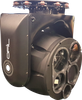
DayCor ® ROM HD is a premium choice for aerial inspections to remotely detect faulty electrical & mechanical installations. The collected data includes imaging and detailed radiometric readings of multiple detection technologies encompassing multifaceted maintenance aspects. DayCor ® ROM... [See More]
- Application / Industry: Industrial
- Imaging Technology: NDT Systems

from OFIL Systems
DayCor ® RailHD is an automatic autonomous corona and arcing partial discharge detection system designed for fast inspection of electrified railways. The system inspects, displays, processes, records and generates reports for prognosis of the electrical traction condition. RAIL HD is offered as... [See More]
- Application / Industry: Corona Camera; Industrial
from OFIL Systems
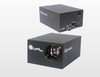
DayCor ® micROM HD is an innovative corona camera designed for use on UAV. It is electromagnetically shielded, small and light with ready interfaces to communication protocols. micROM HD is the first micro HD camera with dual sensors UV & Visible, capable of detecting and imaging corona in... [See More]
- Application / Industry: Corona Camera; Industrial
- Camera Function: Video

from OFIL Systems
High-end handheld corona camera for daytime inspection of electrical apparatuses in/outdoors, with special emphasis on imaging definition, sensitivity and functionality. Luminar HD camera is manufactured under adherence to rigorous quality control standards. LuminarHD incorporates Ofil ’s... [See More]
- Application / Industry: Corona Camera; Industrial

from OFIL Systems
Compact handheld corona cameras for daytime inspection of electrical apparatuses in/outdoors, with special emphasis on ergonomic design and ease of operation. UVoll é cameras are manufactured under adherence to rigorous quality control standards. UVoll é family incorporates the DayCor... [See More]
- Application / Industry: Corona Camera; Industrial
- Output: RS232
- Camera Function: Video