
Products & Services
See also: Categories | Featured Products | Technical Articles | More Information-
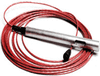
Supplier: MO2 Inc.
Description: detection at aboveground and underground storage tank sites, pipeline leak detection, remediation monitoring, hydrocarbon breakthrough, wastewater monitoring, process water monitoring, and storm water monitoring. The probes detect and quantify petroleum hydrocarbons both in the form of
- Operating Temperature: 32 to 122 F
- Electrical Outputs: Analog Current, Analog Voltage
- Features: Hazardous Environments, Intrinsically Safe
- Gas Types: Hydrocarbons
-
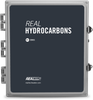
Supplier: Real Tech, Inc.
Description: HYDROCARBONS SENSOR Real Tech’s Hydrocarbons sensor utilizes fluorescence measuring principal and provides rapid real-time measurement of hydrocarbons (oil) in water and wastewater. Continuous hydrocarbons monitoring can bring significant value to many applications
- Concentration: 0.1 to 150 ppm
- Operating Temperature: 32 to 113 F
-
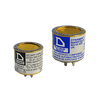
Supplier: Dynament
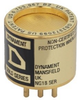
Description: Dynament offers a comprehensive range of hydrocarbon infrared sensors designed to measure methane gas from 0 to 100% volume and propane gas from 0 to 2% volume. These sensors utilize advanced non-dispersive infrared (NDIR) technology to accurately detect hydrocarbon gases, including
- Operating Temperature: -40 to 167 F
- Operating Humidity: 0 to 95 %
- Gas Types: Carbon Dioxide (CO2), Combustible Gas, Hydrocarbons, Toxic Gas
-
-
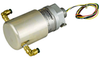
Supplier: MO2 Inc.
Description: The PetroCheck Portal Hydrocarbon Analyzer (PHA) is the ideal instrument for precise measurement and quantification of petroleum hydrocarbons dissolved in water and/or as vapor. The PetroCheck PHA is designed to meet rigorous field monitoring requirements and has proven itself in
- Response Time: 4.999999999999998 seconds
- Operating Temperature: 32 to 122 F
- Application: Ambient Air Monitoring, Process Gas
- Electrical Outputs: Analog Voltage
-
Supplier: Det-Tronics
Description: The model PIRVOL IR gas monitor is designed to monitor hydrocarbon vapors in the range of 0-100% by volume, and is ideally suited for oil and gas wellhead mud-logging, hydrocarbon processing, and other extractive sampling applications. The PIRVOL provides superior
- Operating Temperature: -40 to 167 F
- Operating Humidity: 0 to 99 %
- Measurement Type: %Volume
- Application: Ambient Air Monitoring, Confined Space Monitoring, Personal Exposure Monitoring, Process Gas
-
Supplier: Pem-Tech, Inc.
Description: to monitor the combustible vapors. The detection principle is based on measuring the absorption of infrared radiation using dual wavelength infrared detectors. The IR detectors measure the intensity of two wavelengths, one absorbed by the target gases and other unaffected by the target gases.
- Operating Temperature: -40 to 158 F
- Operating Humidity: 5 to 90 %
- Measurement Type: %LEL
- Electrical Outputs: Analog Current, Switch
-
Supplier: Analytical Systems Int’l. Keco
Description: The ability to analytically quantify hydrocarbons and volatile organic compounds (VOCs) in cooling towers, heat exchangers, holding ponds, run-off water, and waste water with our model 204-V hydrocarbon in water monitor is greatly enhanced with the Sample Transfer Stripper S.T.S
- Number of Control Relays: 1
- Operating Temperature: 41 to 122 F
- Electrical Output: Analog Current Output, Switch / Alarm Relay Output
- Features and Functionality: Built-in or Self-calibration, Filters, Self-test / Diagnostics
-
Supplier: Accuris
Description: Standard Test Method for Condition Monitoring of Nitration in In-Service Petroleum and Hydrocarbon-Based Lubricants by Trend Analysis Using Fourier Transform Infrared (FT-IR) Spectrometry
-
Supplier: Accuris
Description: Standard Test Method for Condition Monitoring of Oxidation in In-Service Petroleum and Hydrocarbon Based Lubricants by Trend Analysis Using Fourier Transform Infrared (FT-IR) Spectrometry
-
Supplier: Restek
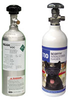
Description: Our high-quality air monitoring gas calibration standards are provided by Spectra/Linde and Scott/Air Liquide—meeting lab requirements for two separate sources of calibration standards
- Application / Function: Calibration Gas / Gas Standard
- Product Form: Gas
- Supply Options: Gas Cylinder, Other
- Composition: Gas Mixture
-
Supplier: MSA Safety
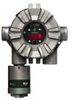
Description: The General Monitors S5000 Gas Monitor is the ultimate gas detector for extreme environments needing to detect oxygen, toxic and combustible gases. It operates over a wide temperature range using a variety of gas sensing technologies. XCell® gas sensors with TruCal® technology extends
- Number of Channels: 2
- Operating Temperature: -67 to 167 F
- Operating Humidity: 0 to 95 %
- Measurement Type: %LEL, %Volume, Trace
-
Supplier: MO2 Inc.
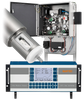
Description: The CMS-4000 Continuous Monitoring System measures hydrocarbons in water streams. It controls up to 4 DHPs and can be used to re-direct flow and can be remotely accessed and controlled. Typical monitoring applications for the CMS-4000 include: Oil field produced water, separation vessel
- Number of Channels: 4
- Response Time: 12 seconds
- Operating Temperature: -4 to 122 F
- Application: Ambient Air Monitoring, Process Gas
-
Supplier: MSA Safety
Description: pump, which allows the unit to be mounted in a convenient location if the area to be monitored is inaccessible. The unit can be expanded to monitor up to 8 locations, while an easy-to-read display shows gas concentrations and 3 levels of alarms. Cost-efficient remote monitor detects
- Response Time: 7 seconds
- Operating Temperature: 32 to 122 F
- Operating Humidity: 0 to 99 %
- Measurement Type: %LEL, %Volume, Trace
-
Supplier: Accuris
Description: Standard Test Method for Condition Monitoring of Sulfate By-Products in In-Service Petroleum and Hydrocarbon Based Lubricants by Trend Analysis Using Fourier Transform Infrared (FT-IR) Spectrometry
-
Supplier: Accuris
Description: Standard Test Method for Condition Monitoring of Phosphate Antiwear Additives in In-Service Petroleum and Hydrocarbon Based Lubricants by Trend Analysis Using Fourier Transform Infrared (FT-IR) Spectrometry
-
Supplier: Honeywell Analytics, Inc.
Description: Sensepoint XCD RFD is your most flexible, practical choice for remote flammable gas monitoring in Class I Division 1 areas. XCD RFD adds safety, productivity and cost efficiency to an operation by extending intelligent, simplified gas monitoring to hard-to-reach areas. XCD’s inherent flexibility
- Operating Temperature: -40 to 149 F
- Measurement Type: %LEL
- Application: Ambient Air Monitoring
- Electrical Outputs: Analog Current, Analog Voltage
-
Supplier: Process Sensing Technologies USA
Description: PST offers a range of hydrocarbon infrared sensors that measure methane or propane gas over a range from 0-100% volume. The sensors are designed with non-dispersive infrared technology and respond to many hydrocarbon gases, including methane and propane. The Standard series sensors
- Operating Temperature: -4 to 122 F
- Operating Humidity: 0 %
-
Supplier: MSA Safety
Description: The IR400 Infrared (IR) Point Detector is a hydrocarbon gas detector that continuously monitors combustible gases and vapors within the lower explosive limit (LEL) and provides alarm indication. It features an industry-leading response time of ≤ 3 seconds, even with a splash guard
- Operating Temperature: -76 to 167 F
- Operating Humidity: 10 to 95 %
- Response Time: 1.5 seconds
- Measurement Type: %LEL, %Volume
-
Oil Sensors and Analyzers - Trace Moisture and Hydrocarbon Dew Point Analyzer HCDT-5673 -- hcdt-5673Supplier: BARTEC
Description: comprehensive understanding of gas quality. Exceeding the hydrocarbon condensation point can lead to liquid dropout and operational risks in pipelines and downstream equipment. A key advantage of the system is that moisture and hydrocarbon condensation are measured independently
-
Supplier: ENMET Corporation
Description: P/N 10014-003, EX-5120 Infrared Hydrocarbon Sensor/Transmitter The EX-5120 incorporates a sensor that operates on the NDIR principle to monitor the concentration of hydrocarbon gas. It can be calibrated for a specific gas, such as methane, but it also responds to some other
- Electrical Outputs: Analog Current
- Display: Digital
-
Supplier: Process Sensing Technologies USA
Description: PST offers a range of hydrocarbon infrared sensors that measure methane gas over a range from 0-100% and propane gas over a range of 0-2%. The sensors are designed with non-dispersive infrared technology and respond to hydrocarbon gases, including methane and propane. The Platinum
- Operating Temperature: -4 to 122 F
- Operating Humidity: 0 %
-
Supplier: Process Sensing Technologies USA
Description: The Condumax II hydrocarbon and water dew-point analyzer provides continuous, automatic measurements of these two critical parameters of natural gas quality. It uses the ‘Dark Spot’ direct chilled-mirror technique to measure hydrocarbon dew point with high accuracy and long-term
- Instrument Type: Analyzer
- Application: Process Gas
- Features: Self Calibration
-
Supplier: Industrial Scientific Corporation
Description: Get the simple, reliable gas detection you need with the Ventis MX4, a four-gas monitor with the portability and size of a single-gas monitor. Designed to be extremely rugged yet lightweight and easy to wear, the Ventis MX4 eliminates the need for extra monitors and transitions
- Number of Channels: 4
- Operating Temperature: -20 to 50 F
- Operating Humidity: 15 to 95 %
- Measurement Type: %LEL, %Volume, Trace
-
Description: The Automotive Emissions Monitor - 3433i is a highly accurate and reliable Multi Gas Monitor based on the INNOVA 1314 platform with special configuration for Exhaust Gas or SHED Evaporative Testing. Its measurement principle is based on the photoacoustic detection method. In addition
- Response Time: 150 seconds
- Operating Temperature: 41 to 104 F
- Operating Humidity: 80 %
- Gas Types: Ammonia (NH3), Carbon Dioxide (CO2), Carbon Monoxide (CO), Halocarbons (Refrigerants), Hydrocarbons, Nitrogen Oxides (NxOx), Toxic Gas
-
Supplier: Process Sensing Technologies USA
Description: The LD2000 is an easy to use instrument that offers the ideal solution for total hydrocarbon measurements. Its compact design and small footprint make it easy to install alongside other equipment, and it is robust to withstand tough industrial conditions in daily use. The LDetek Flame
- Operating Temperature: 50 to 113 F
- Instrument Type: Analyzer
- Application: Process Gas
- Features: Self Calibration
-
Supplier: Arjay Engineering
Description: industrial effluents cooling water produced water The FluoroCheck II offers a fast and easy approach to the measurement of hydrocarbon oils in water. Filtered light energy targets the aromatic component of the water sample and measures the hydrocarbon fluorescence. Through an Arjay or
- Operating Temperature: 59 to 104 F
- Local Interface: Digital Front Panel
- Display: Digital Readouts
- Instrument Type: Portable
-
Supplier: Pyott-Boone Electronics (PBE Group)
Description: The Model 2200, when used with the Model BBS/II Power Supply with Battery Backup, is a stand-alone, environmental gas monitor capable of measuring four different gas types in a simple package. Available sensor types are: Carbon Monoxide, Oxygen, Methane (combustible gases), Nitric Oxide,
- Gas Types: Ammonia (NH3), Carbon Monoxide (CO), Chlorine (Cl2), Combustible Gas, Hydrocarbons, Hydrogen (H2), Hydrogen Sulfide (H2S), Nitric Oxide (NO), Nitrogen Dioxide (NO2), Ozone (O3), Sulfur Dioxide (SO2)
- Application: Confined Space Monitoring
- Mounting Type: Fixed
- Instrument Type: Monitor
-
Supplier: ASTM International
Description: (FT-IR) spectrometry for monitoring build-up of oxidation products in in-service petroleum and hydrocarbon based lubricants as a result of normal machinery operation. Petroleum and hydrocarbon based lubricants react with oxygen in the air to form a number of different chemical species,
-
Supplier: Industrial Scientific Corporation
Description: The Ventis Pro5 multi-gas monitor is the most flexible connected monitor on the market, giving you the power to manage worker safety anytime, anywhere - even in the most remote settings. Wireless connectivity in the Ventis Pro5 connects workers to live monitoring software via cellular,
- Number of Channels: 5
- Operating Temperature: -20 to 50 F
- Operating Humidity: 15 to 95 %
- Measurement Type: %LEL, %Volume, Trace
-
Supplier: Turner Designs Hydrocarbon Instruments
Description: management for treating, discharging and detecting hydrocarbons in water. Compared to laboratory grab sample analysis, on-line monitoring provides cost effective, continuous, remote, operator unattended measurement of aromatic hydrocarbons in water.
- Number of Control Relays: 2
- Operating Temperature: 0 to 120 F
- Concentration: 0.001 to 1,000 ppm
- Process Media Temperature: 205 F
-
Supplier: Industrial Scientific Corporation
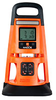
Description: The Radius® BZ1 Area Monitor is a rugged gas detector that connects your entire worksite. Designed to go where the work is, Radius can be deployed in seconds for emergency response scenarios or left in the field for up to 7 days on a single charge or for an unlimited period with the Solar
- Number of Channels: 18
- Measurement Type: %LEL, %Volume, Trace
- Application: Ambient Air Monitoring
- Gas Types: Ammonia (NH3), Carbon Dioxide (CO2), Carbon Monoxide (CO), Chlorine (Cl2), Combustible Gas, Hydrocarbons, Hydrogen (H2), Hydrogen Sulfide (H2S), Methane (CH4) / Natural Gas, Nitrogen Dioxide (NO2), Oxygen (O2),
-
Supplier: ASTM International
Description: monitoring build-up of nitration by-products in in-service petroleum and hydrocarbon-based lubricants as a result of normal machinery operation. Nitration levels in gasoline and natural gas engine oils rise as combustion by-products react with the oil as a result of exhaust gas recirculation
-
Supplier: Sensirion
Description: Tailored to the integration in demanding coating systems, the SLQ-QT105 is a semicon grade-sensor solution for flow rates of up to 120 ml/min of hydrocarbon based liquids like photoresists and solvents. Based on Sensirion's proven thermal microsensor technology, it opens new perspectives in
- Liquid Volumetric Flow Rate: 0 to 0.03168 GPM
- Operating Pressure: 174.04524 psi
- Operating Temperature: 68 to 77 F
- Mounting: In-line
-
Supplier: Arjay Engineering
Description: Continuous monitoring of separated oil thickness on a water surface The 4100-HCF monitors a floating sensor on the water surface to indicate the thickness of separated oil. An LCD display of the thickness, analog output and relay alarms are standard. The 4100-HCF float sensor monitors
- Operating Temperature: 32 to 131 F
- Output Options: Analog current signal
- Computer Interface: Computer Interface
- Local Interface: Digital Front Panel
-
Supplier: Arjay Engineering
Description: changes in a process. The 4100-OWM sensing probe monitors the capacitance field around the probe within a concentric shield, tank or pipe. The emulsion characteristics of water to oil is not strictly linear and the Arjay controller allows for a 5 point calibration to enhance accuracy over an
- Operating Temperature: 32 to 131 F
- Output Options: Analog current signal, Switch or alarm signal
- Computer Interface: Computer Interface
- Local Interface: Digital Front Panel














Find Suppliers by Category Top
Featured Products Top
-
 Oil in Water Monitors HydroSense Series Measure PPM Concentrations of Hydrocarbons in Water With Arjay's HydroSense, experience industry-leading continuous, on-line monitoring of ppm (read more)
Browse Oil in Water Monitors Datasheets for Arjay Engineering -
, and great for general screening of hydrocarbons in water without the need for solvents. The FluoroCheck II provides benchtop and field monitoring of petroleum oils in: Wastewater and groundwater Industrial effluents Cooling water (read more)
Browse Oil in Water Monitors Datasheets for Arjay Engineering -
infrared technology for measuring oil in water, oil content in drilling mud or drill cuttings, TPH (total petroleum hydrocarbons) in soil and FOG (fats, oil and grease) in wastewater. The InfraCal 2 TRANS-SP is recommended for measuring oil in water, TPH in soil or FOG in (read more)
Browse Oil in Water Monitors Datasheets for AMETEK Spectro Scientific -
Check II Benchtop Unit for Petroleum Oils The FluoroCheck II is a benchtop and transportable unit for discrete sample measurements of ppm hydrocarbons in water. Direct water samples for screening or an EPA approved hexane oil extraction method may be used. The FluoroCheck II (read more)
Browse Process Monitors Datasheets for Arjay Engineering -
2852-HCF Floating Oil Spill Alarm The 2852-HCF Floating Oil Spill Alarm provides reliable monitoring of sumps and containments for oil spills. The 2852-HCF uses a hydrocarbon float sensor for (read more)
Browse Process Monitors Datasheets for Arjay Engineering -
wastewater and public water treatment plants a simplified procedure for monitoring FOG discharges can avoid fines, sanitary sewer overflows (SSOs) and give on-site results in less than 15 minutes rather than waiting days or weeks for an off-site laboratory (read more)
Browse Oil in Water Monitors Datasheets for AMETEK Spectro Scientific -
applications The HydroSense 4410-OCM continuously monitors a clean water sample for petroleum hydrocarbon concentrations. The display, signal output, and alarm can be configured within the 0-250 ppm range. On-line monitoring for ppm petroleum oil in industrial filtered water and cooling (read more)
Browse Oil in Water Monitors Datasheets for Arjay Engineering -
HydroSense 4410 PPM Oil in Water Analyzer by Arjay Engineering provides continuous monitoring of hydrocarbon concentrations in water, ranging from 0-5000 ppm. This state-of-the-art device utilizes UV fluorescence, targeting the (read more)
Browse Oil in Water Monitors Datasheets for Arjay Engineering -
Engineering’s Floating Oil Spill Alarm: 2852-HCF The 2852-HCF Floating Oil Spill Alarm is a dependable tool designed to monitor sumps, tanks, and lagoons for oil spills. Using a hydrocarbon float sensor, it detects (read more)
Browse Oil in Water Monitors Datasheets for Arjay Engineering -
: The 2852-HCF Floating Oil Spill Alarm The 2852-HCF Floating Oil Spill Alarm offers a reliable solution for monitoring oil spills in sumps, tanks, and lagoons. This model uses a hydrocarbon float sensor, particularly effective in separated oil-on-water scenarios. It’s (read more)
Browse Oil in Water Monitors Datasheets for Arjay Engineering
Conduct Research Top
-
Optical Hydrocarbon Sensors and Their Applications (.pdf)
in breed" technology for the detection of total petroleum hydrocarbons (TPH). PetroSense? sensors are incorporated in both a portable, field screening instrument (the PHA-100) and a continuous monitoring system (the CMS-4000). These sensors utilize fiber optic systems and are designed for in-situ, real
-
CEMS Systems Capabilities for the Hydrocarbon Processing Industry
The hydrocarbon processing industry (HPI) has many potential sources of combustion gas emissions. These include process heaters, fluid catalytic crackers (FCC), power boilers and sulfur recovery units (SRU). The industry is unique because many emissions monitoring applications occur in areas
-
Infrared Technology for Fail-To-Safe Hydrocarbon Gas Detection
Continuing advances in infrared technology have resulted in fail-to-safe hydrocarbon gas point detectors that continuously monitor combustible gases and vapors within the lower explosive limit (LEL) and provide alarm indication. Other features of these detectors include operation in oxygen
-
How To Select a Total Hydrocarbon Analyzer For Use in an Industrial Application (.pdf)
Several different sensor technologies may be used to detect hydrocarbons, including: catalytic; photo-ionization; infra-red; gas chromatography; and flame ionization. Of these possibilities, flame ionization (FID) is considered the best choice for continuously monitoring the total concentration
-
AN ANALYSIS AND PREDICTION OF HYDROCARBON DEW POINTS AND LIQUIDS IN GAS TRANSMISSION LINES
The occurrence of liquid hydrocarbons in natural gas transmission lines has increased in recent years as a result of the shrinking price spread between natural gas and natural gas liquids (NGL's). Consequently, there is increasing interest among many pipeline companies in monitoring hydrocarbon dew
-
Raw Water Intake Monitoring
or leaves and hydrocarbons. Solution: A fluorescence monitor can be configured for sensitivity to hydrocarbons, with no significant response to other organics. The TD-4100XDC has the highest sensitivity to hydrocarbons in raw water, has a low cost of ownership, and can be modified with Teflon
-
Produced Water Monitoring: Performance Improvements
a number of people who have broad experience with cleaning systems in heavy industry and others who have specific experience with simple cleaning methods for the. maintenance of our monitors. By Gary Bartman, Turner Designs Hydrocarbon Instruments, Inc.
-
Flare Gas Monitoring Systems (.pdf)
distribution infrastructure, and landfills. In many cases, federal or state EPA regulations require the monitoring of a stack's flame, or the pilot flame that ignites the gases, to avoid having unburned hydrocarbons enter the atmosphere. IR video cameras are an ideal monitoring tool, since they allow
More Information Top
 Indicates content that may require registration and/or purchase.

-
Federal Register > Thursday, September 30, 1999 > [64 FR 52828] NESHAPS: Final Standards for Hazardous Air Pollutants for Hazardous Waste Combustors
FOOTNOTE 29For example, hazardous waste burning cement kilns that previously monitored hydrocarbons in the main stack may elect to install a mid-kiln sampling port for carbon monoxide or hydrocarbon monitoring to avoid restrictions on hydrocarbon levels in the main stack.
-
Federal Register > Wednesday, October 12, 2005 > [70 FR 59402] National Emission Standards for Hazardous Air Pollutants: Final Standards for Hazardous Air Poll...
Response: Carbon monoxide and total hydrocarbon monitoring are widely used and accepted indicators of combustion efficiency, and hence control organic HAP, which are destroyed by combustion.146 Sources that are achieving carbon monoxide of emission levels of 100 ppm or a hydrocarbon …
-
Federal Register > Tuesday, April 20, 2004 > [69 FR 21198] National Emission Standards for Hazardous Air Pollutants: Proposed Standards for Hazardous Air Pollu...
Sources generally choose to comply with the carbon monoxide standard because carbon monoxide continuous emissions monitors are less expensive and easier to maintain than hydrocarbon monitors .
-
Federal Register > Tuesday, July 3, 2001 > [66 FR 35087] NESHAP: Standards for Hazardous Air Pollutants for Hazardous Waste Combustors
V. Alternative Hydrocarbon Monitoring Location for Short Cement Kilns Burning Hazardous Waste at Locations Other Than the "Hot" End of the Kiln .
-
Federal Register > Thursday, February 14, 2002 > [67 FR 6968] NESHAP: Standards for Hazardous Air Pollutants for Hazardous Waste Combustors (Final Amendments R...
What Are the Hydrocarbon Monitoring Requirements for Short Cement Kilns Burning Hazardous Waste at Locations Other Than the "Hot" End of the Kiln?
-
Techniques for Continuous Monitoring of Hydrocarbons
Techniques for Continuous of Hydrocarbons Monitoring .
-
States > California > State > Bookshelf > California Environmental Protection Agency > Air Resources Board > Ambient Air Quality Monitoring > Air Monitoring Pr...
Monitoring Activities Table summarizing the network and the monitoring methods for nonmethane hydrocarbons, methane, and total hydrocarbons monitoring activities.
-
FINAL REPORT REGULATORY OFF GAS EMISSIONS TESTING ON THE DM1200 MELTER SYSTEM USING HLW AND LAW SIMULANTS VSL-05R5830-1 REV 0 10/31/05
The continuous total hydrocarbon monitor was found to be an excellent operational tool for monitoring relative organic destruction throughout the off-gas system but was not sensitive enough to measure DREs to 99.99%.