Gas and Liquid Samplers Information
Gas and liquid samples are used to analyze specimens from process streams, reactors, or storage vessels. During the sampling process, a sample of gas or liquid representative of that production state is obtained. There are a variety of different types of sampling equipment with different purposes.
Sampling Methods
Sampling methods are classified based on the frequency of sampling and the duration of the sampling period. The chosen sampling method affects the type of gas and liquid sampler that is most suitable for the application.
Spot Sampling
Spot sampling involves collecting a sample at a specific point in time and at a specific location. This is usually a one-time, instantaneous measurement, similar to taking a snapshot of the conditions at a particular moment. Spot sampling is useful when the concentration of a gas or gases at a particular moment need to be identified. However, it does not provide detailed information about the changes over time or variations throughout the system.
Continuous Sampling
Continuous sampling involves collecting gas samples continuously over an extended period of time. This type of sampling provides a more comprehensive picture of the gas conditions, including fluctuations in concentration levels, as it monitors the gas composition continuously or at regular intervals. Continuous sampling is often used in situations where real-time monitoring is required, such as in industrial process control or environmental monitoring.
Grab Sampling
In grab sampling, an individual collects a single sample at a specific point in time and at a specific location. This single sample represents the condition at that particular moment and place. A grab sample may be taken in response to an unexpected event or an alarm, as it provides an immediate snapshot of the conditions. Grab sampling is ideal for quickly assessing a situation or verifying the presence or concentration of a specific substance.
Composite Sampling
Composite sampling involves collecting multiple samples over a designated period and then combining them to create a representative sample. This can be done either by taking samples continuously over a time period or by gathering multiple discrete samples at regular intervals. The resulting composite sample provides a more comprehensive understanding of the conditions during the sampling period. This method is particularly useful when monitoring for fluctuations or assessing average concentrations over time.
Gas Sampler Configurations
There are many different types and configurations of gas samplers. The choice of gas sampler will depend on the specific needs of the application, including the type of gas being sampled, the required precision, and the desired sampling frequency.
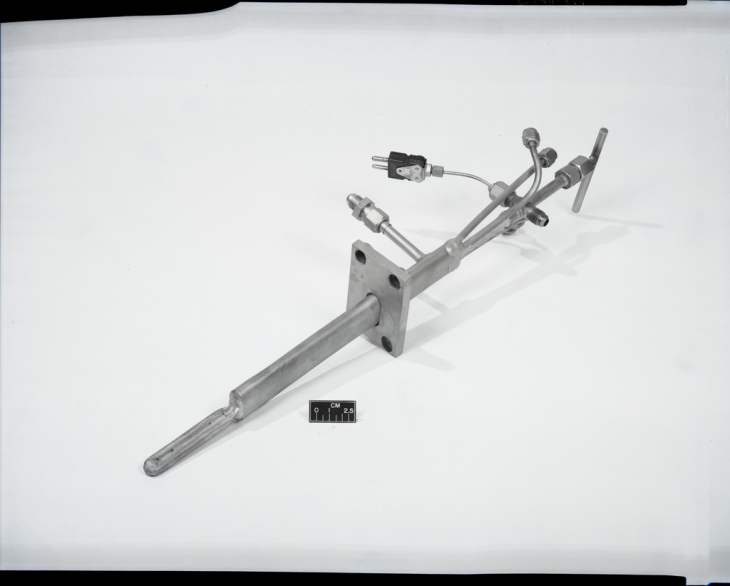
Figure 1: Gas sampling probe. Source: Public domain
Six-port Valve
Six-port valve samplers are a more complex and versatile solution than other configurations. They have six ports, which are used to control the flow of gas. The flow pattern is determined by the rotor position.
In one position, the sample loop can be filled with gas from the sample source, while carrier gas flows directly from the inlet to the detector. This is known as the load position. After the sample loop is filled, the rotor is switched to the inject position. This directs the carrier gas through the sample loop, pushing the gas sample onto the column toward the detector.
Six-port valve samplers offer some distinct advantages, they allow for the precise injection of small volumes of sample, help in the rapid analysis of gases, and are highly reliable. However, they are also more complex, both in terms of operation and maintenance. The cost can also be higher compared to simpler valve configurations.
Three-way Single Valve
Three-way single valve gas samplers are a simpler configuration. They have one valve and three ports: one for the inlet, one for the outlet, and one for the vent. By changing the position of the valve, the flow of gas can be controlled, either directing it to the outlet or venting it.
These samplers are typically used for applications that require less precision and complexity, such as basic sampling or purging a gas line. They're generally easier to operate and maintain, and tend to be less expensive than more complex samplers. However, they may not offer the same level of precision or versatility as a six-port valve sampler.
Ten-port Valve
These samplers are more complex than six-port samplers, offering additional flexibility and precision in controlling gas flow.
Four-port Valve
These samplers provide a balance between the simplicity of a three-way valve and the functionality of a six-port valve. They offer greater control than a three-way valve while being simpler and more cost-effective than a six-port valve.
Types of Gas Samplers
Gas samplers are devices used to collect and measure gas samples for analysis. They come in various types, depending on the specific application and nature of the gas being sampled.
Bag
The bag sampler method is a common and relatively simple approach to gas sampling. It is typically used in environmental monitoring, industrial hygiene, and indoor air quality assessment. The primary component of a bag sampler system is a sample bag, often made from materials like Tedlar, Teflon, or aluminized polyethylene, which are selected for their chemical inertness and low permeability to gases.
Vacuum
These samplers use a vacuum to pull gas into a sample container, often a bag or cylinder. Vacuum samplers can be portable or installed as stationary equipment.
Piston
These use a piston to draw a gas sample into a cylinder. The precise movement of the piston allows for accurate volume measurements.
Pump
These samplers use a pump mechanism to pull gas samples into a container. They may be used when a large volume of gas needs to be sampled or when the gas needs to be continuously monitored.
Passive/Diffusion
These samplers work on the principle of diffusion, where gas molecules move from an area of higher concentration to an area of lower concentration. This type of gas sampler does not require any mechanical parts and is often used for air quality monitoring.
Whole Air
These are typically used in environmental monitoring and are designed to collect a representative sample of ambient air without changing its composition.
Isokinetic
These are specifically used for collecting gas samples from stacks or flue gas emissions. The sample is drawn in at the same velocity as the gas stream, which ensures that the sample is representative of the entire gas flow.
Gas Bubblers
These draw gas through a liquid that absorbs certain constituents from the gas stream. They are often used when the gas contains particles or components that can be easily absorbed into a liquid.
Liquid Sampler
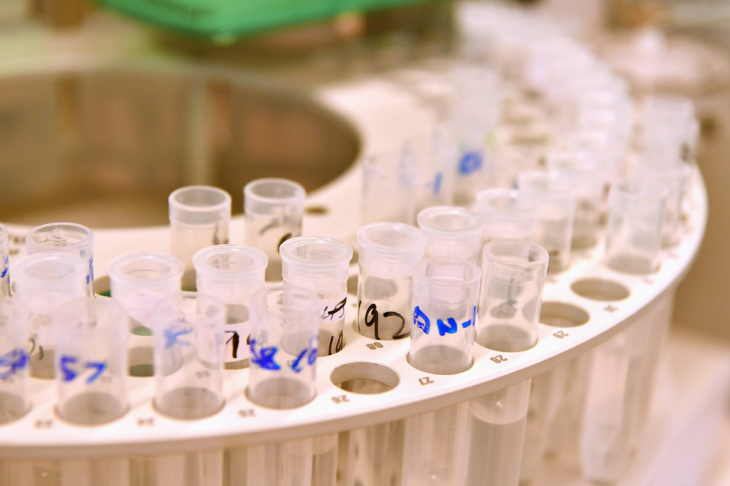
Figure 2: Groundwater samples. Source: IAEA Imagebank
Liquid samplers are tools designed to collect samples from liquids for analysis. They come in a variety of forms, each designed for a specific type of liquid or application. They are often used to obtain samples from tanks, drums, and open reservoirs.
Dip
These are simple tools designed to collect surface samples from bodies of water or tanks. They are often made of a long pole with a cup or bottle attached at the end.
Bailers
These are typically long, cylindrical devices that are lowered into a well or other deep body of water to collect samples from specific depths.
Suction or Vacuum
These use a pump to draw in the liquid sample. They can be used for sampling liquids from depths and are especially useful for viscous liquids or liquids with a lot of suspended solids.
Discrete Depth
Also known as point samplers, these are designed to collect samples from specific depths. They are typically used in deep bodies of water or large storage tanks.
Sludge and Sediment
These are designed to collect samples of the sludge, sediment, or other particulates that settle at the bottom of a body of water or storage tank.
Oil
These are designed to collect samples from petroleum products. They often have features designed to prevent contamination, such as seals to prevent air exposure.
In-line
These samplers are installed directly into a pipeline or process stream, allowing for continuous or periodic sampling without disrupting the flow of the liquid.
Industry Applications
Many industries require sampling of gas or liquid for quality control or safety.
Environmental Monitoring
Both gas and liquid samplers are used extensively in environmental monitoring. Gas samplers can be used to monitor air quality and detect pollutants, while liquid samplers can be used to monitor the quality of water sources, detect pollutants in bodies of water, and test wastewater for compliance with environmental regulations.
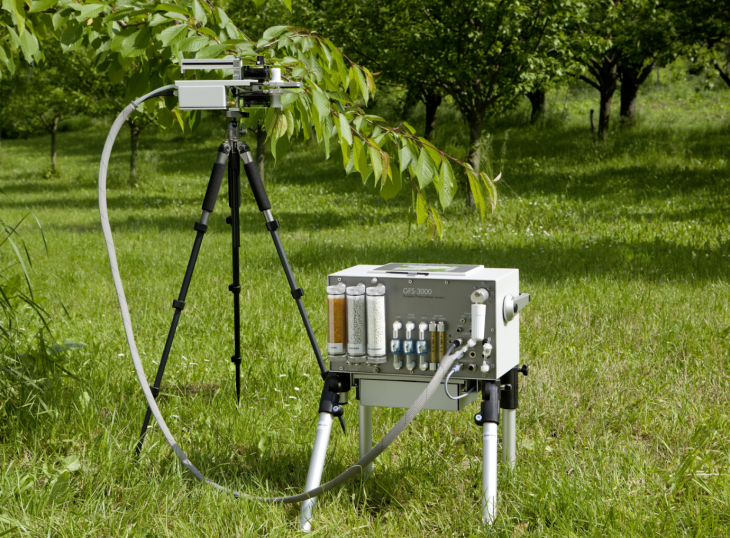
Figure 3: Gas exchange sampler, Source: Heinz Walz GmbH/CC BY-SA 3.0
Chemical
In the chemical industry, samplers are used to monitor and control chemical processes, ensuring that reactions are proceeding as expected and that the final products meet the desired specifications.
Food and Beverage
In the food and beverage industry, liquid samplers may be used to ensure the quality and safety of liquid food products, such as milk or juice, while gas samplers may be used to monitor the environment for contaminants that could affect food safety.
Oil and Gas
In the petroleum industry, gas samplers are used to analyze the composition of natural gas, while liquid samplers are used to test the quality and characteristics of crude oil and petroleum products. Regular sampling is critical for ensuring that the products meet the required specifications and for controlling the efficiency and safety of the production processes.
Gas and Liquid Samplers
Both liquid and gas samplers serve crucial roles in a multitude of fields, ranging from environmental monitoring, and industrial process control, to quality assurance in various industries. The range of available sampler types is extensive, reflecting the diversity of the applications and the specificities of the materials to be sampled.