Embedded Systems Architecture: A Comprehensive Guide for Engineers and Programmers
In This Chapter
Defining the different types of buses
Discussing bus arbitration and handshaking schemes
Introducing I 2C and PCI bus examples
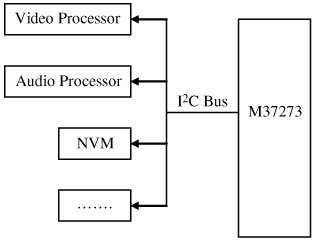
All of the other major components that make up an embedded board the master processor, I/O components, and memory are interconnected via buses on the embedded board. As defined earlier, a bus is simply a collection of wires carrying various data signals, addresses, and control signals (clock signals, requests, acknowledgements, data type, etc.) between all of the other major components on the embedded board, which include the I/O subsystems, memory subsystem, and the master processor. On embedded boards, at least one bus interconnects the other major components in the system (see Figure 7-1).
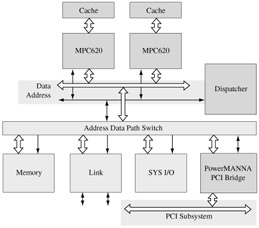
On more complex boards, multiple buses can be integrated on one board (see Figure 7-2). For embedded boards with several buses connecting components that need to inter-communicate, bridges on the board connect the various buses and carry information from one bus to another. In Figure 7-2, the PowerManna PCI bridge is one such example. A bridge can automatically provide a transparent mapping of address information when data is transferred from one bus to another, implement different control signal requirements for various buses acknowledgment cycles, for example as well as modify the data being transmitted if any transfer protocols differ bus to bus. For instance, if the byte ordering differs, the bridge can handle the byte swapping.