Introduction to Plastics Recycling, Second edition
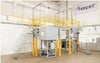
Mechanical recycling is the most common method of recycling. Here plastics are physically ground back to a suitable size (regrind) and reprocessed. The end use can be the original one or something different.
In the plastics industry it has long been common practice to reprocess waste material arising from normal production. This in-house recycling, known as primary recycling, makes economic sense as it reduces both production waste and utilisation of raw materials. For example, with injection moulding, regrind from start-up waste and production waste such as reject parts, can be fed directly back into the production machine.
For reclaiming used material or recyclate outside of this scenario, the situation is slightly different and greater effort may be required on the part of the reprocessor. This type of mechanical recycling is termed secondary recycling (see Table 5.1).
| Primary Recycling | In-house reprocessing of production waste |
| Secondary Recycling | Mechanical recycling of single or mixed plastic materials from external sources |
The material from external sources may be received in a variety of forms such as bales, mouldings or large lumps. It will probably need to be reduced in size, cleaned, separated and possibly recompounded and regranulated before it can be reprocessed in production. Often little is known about the history of the material to be recycled, for example:
How many times it has been reprocessed previously?
How much thermal degradation it has already undergone?
Is it in-house or external waste?