Softswitch: Architecture for VoIP

A recurring objection to Voice over IP (VoIP) and softswitch solutions is the perception that such a solution would not match the "five 9s" of reliability provided by the Class 4 and 5 switches. This chapter will set forth that a softswitch solution is just as reliable (actually "available") as the Class 4 or 5 switch, and a softswitched network is potentially more reliable than the PSTN. Much of what applies to building highly reliable carrier-grade softswitch solutions can work for enterprise-grade networks as well.
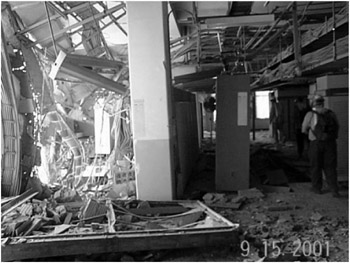
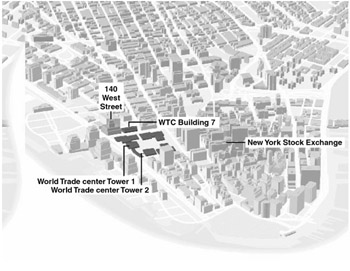
The September 11th, 2001 attack on the World Trade Center has served to focus attention on the vulnerabilities of the legacy, circuit-switched telephone network. Verizon, the largest telephone company, had five central offices serving some 500,000 telephone lines south of 14th Street in Lower Manhattan. More than six million private circuits and data lines passed through switching centers in or near the WTC. AT&T and Sprint switching centers in the WTC were destroyed in the attack. Verizon lost two WTC-specific switches in the towers, and two nearby central offices were knocked out by debris, fire, and water damage. Cingular Wireless lost six and Sprint PCS lost four. Power failures interrupted service at many other wireless facilities (see Figures 7-1 and 7-2). [1]