Softswitch: Architecture for VoIP

Given a shift in the paradigm regarding distributed versus centralized architecture, it is possible that the domestic U.S. market might go the way of the long-distance bypass market. As described previously, long-distance bypass carriers were enabled by the introduction of smaller gateways to roll out service in diverse markets. They took market share from large, mainstream, long-distance providers. Let's assume service providers who were not traditionally voice service providers, that is, cable TV operators, Internet service providers (ISPs), power companies, or digital subscriber line (DSL) providers, wanted to originate and terminate long-distance traffic for their existing customers. Following the long-distance bypass model, they could install media gateways in a number of POPs in Tier 1 and 2 cities, and they could potentially take market share from the legacy long-distance Class 4 carriers. This scenario points to the displacement of Class 4 by softswitch, a disruptive technology.
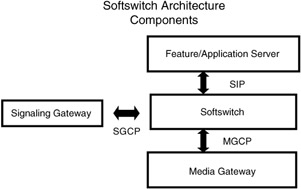
Figure 11-5 details how the components of softswitch interoperate. Each element can be located remotely from any of the others. As Figure 11-6 illustrates, distributed architecture enables a service provider to install only media gateways in each area serviced, as opposed to a Class 4 that requires an entire switch be installed in each area serviced. Given the difference in footprint and the accompanying cost, as discussed earlier, this can lead to substantial savings for the service provider.