Overview
Procurement of material cuts to the chase. It is, pretty much, the reason for most of the other engineering tasks. A design package is built from the conceptual to the actual and procurement is about as actual as it gets. A frequent lament from the construction partner is, "How can I build something if I don't have the parts?". The design team needs to put lots of thought into the procurement process early in the design phase.
Who actually does the purchasing? It doesn't matter. The design team must perform virtually the same functions regardless. Of course, one organization may like the information organized differently from another, but that is the problem of the cost engineering department. Usually, unless the engineer is running a small operation, a group that specializes in procurement handles those details.
Primarily two types of material are specified by the I&C design team:
-
Electrical material, including cable, conduit, enclosures, and termination hardware
-
Mechanical material, including pneumatic tubing, flanges, gaskets, and mounting brackets
These types of materials are called bulk materials.
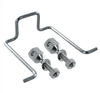
Bulk materials handling, while not necessarily a "sexy" topic, is one of those basic tasks that needs to be done right to achieve success. "Bulk materials consist of materials that are considered to be commodities [*] such as cable, conduit, nuts, bolts, pull boxes, junction boxes, tubing, tube fittings, and vessel trim. Instruments, items that require long lead times for manufacture, or other equipment items that require individual specifications do not fall into...

 TABLE OF CONTENTS