Systems Engineering with SysML/UML: Modeling, Analysis, Design

Probably the most important step in a system development process is collecting requirements. If this step is neglected you may still be able to develop a system, but it will probably be no big success, since you haven't considered what the system's environment e.g., your principal or the system users want and demand.
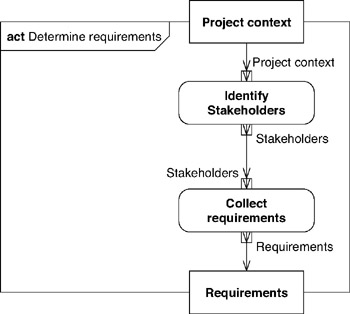
Figure 2.5 shows the details of our approach step determine requirements from Figure 2.1. The approach splits this step into two areas that will be described in the following sections. The results are the requirements to the system. On the basis of these requirements, the subsequent steps will then develop an analysis model and eventually one or more design models.
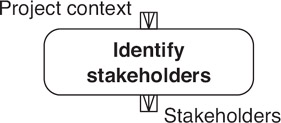
Identifying stakeholders is shown in Table 2.3.
| Reference card: Identify stakeholders. | |
|---|---|
| | Incoming and outgoing data Project context: Basic ideas and goals for the system; background situation; framework conditions and other information from the project environment. Stakeholder: An individual or organization that has an interest in the system and may have requirements. |
| Motivation/description Why? It is decisive for the success of the project that the needs of all stakeholders are sufficiently fulfilled. What? Identify all individuals and organizations that may have requirements to or an interest in the system. How? The list of stakeholders is initially elaborated in a workshop and continually reviewed during the project. Where? Stakeholders are the sources of requirements. Their... |