
Waterproofing Pipe Liners
Description
Waterproofing pipe liners are designed to create a protective barrier within pipes, preventing water ingress and leakage. These liners provide a seamless, smooth surface that enhances the structural integrity of the existing pipe, effectively extending its lifespan and improving its performance.
Working Principle
The working principle of waterproofing pipe liners involves inserting a flexible, resin-saturated liner into the existing pipe. This liner is then expanded to fit snugly against the internal walls of the pipe, using methods such as inflation with air, hot water, or steam. The resin cures to form a new, durable inner layer that is resistant to leaks and other issues. This process not only restores the pipe's functionality but also strengthens it, allowing it to withstand various environmental and operational stresses .
Applications
Waterproofing pipe liners are commonly used in sewer pipe rehabilitation, where they provide a modern solution for repairing aging pipelines without the need for extensive excavation. This method is particularly beneficial in urban areas where minimizing disruption is crucial .
Advantages over other Pipe Liners
One significant advantage of waterproofing pipe liners is their ability to create a seamless, smooth surface that enhances the overall performance of the pipe. This feature reduces friction and improves flow efficiency, which is not always achievable with other types of liners. Additionally, the structural capability of these liners allows them to function as a new pipe within the host pipe, providing superior resistance to applied ring compression .
Limitations
A potential limitation of waterproofing pipe liners is the requirement for precise installation techniques to ensure proper expansion and curing of the resin. Any errors in this process could compromise the liner's effectiveness and durability .
Considerations
When considering waterproofing pipe liners, it is important to evaluate the initial costs, which can vary depending on the specific materials and installation methods used. Operating expenses are generally lower due to the reduced need for maintenance and repairs. The durability of these liners is typically high, offering long-term protection and performance. However, accurate installation is crucial to achieving these benefits, and replacement or maintenance costs should be factored into the overall assessment of the liner's suitability for a given application .
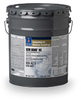
from Sherwin-Williams Protective & Marine Coatings
TANK CLAD HS is a VOC compliant, 80% solids epoxy coating formulated as an interior lining for pipes and tanks containing potable water, fresh water, salt water, and other commodities. May also be used as part of a system for tank exteriors. RECOMMENDED USAGE. Lining system for the interior of steel... [See More]
- Function: Sealing or Containment; SecondaryContainment
- Liner Materials: Specialty Cement (optional feature); 80% Solids Epoxy
- Industry / Application: Water
- Form: Liner; Spray-on / Spray-Cast