
Specialty Rotary Bearings Information
Rotary bearings are commonly used in systems that undergo motion. Bearings exist in many different shapes and forms. They are commonly used in motors, pulleys, pumps, and in many applications involving a rotating shaft. Their primary function is to reduce friction and support radial and axial loads.
Bearings can be defined as a machine element that supports or permits motion of specific types. Bearings help multiple elements in relative motion to prevent excess heat generation and friction while reducing energy consumption. Bearings also limit freedom of movement.
Video: How bearings work. Source: JAES
Types of Rotary Bearings
There are three primary types of rotary bearings, ball bearings, roller bearings, and plain bearings. Ball and roller bearings are further defined by the type of load they are designed to support, either radial or axial (thrust). Ball bearings are further defined by the configuration of the outer ring, while roller bearings are further defined by the roller shape. When compared to bearings of similar sizes, roller bearings typically have higher load capacities and higher rigidity than ball bearings.
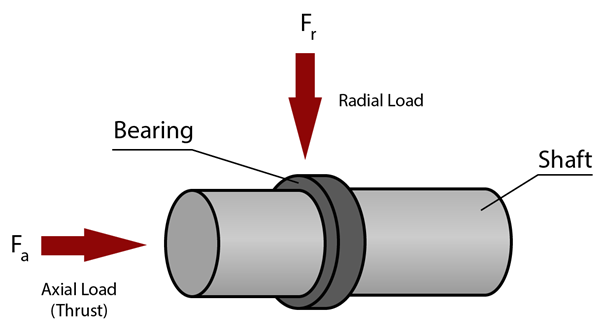
Figure 1: Forces applied to bearings. Source: Jody Dascalu
Ball Bearings
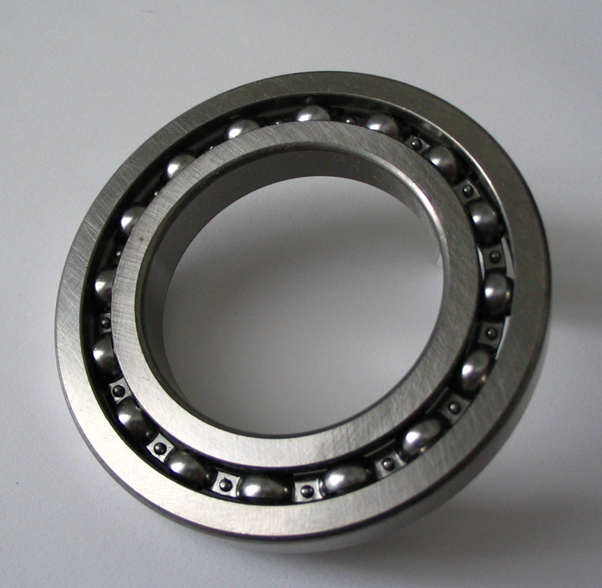
Figure 2: A ball bearing. Source: Solaris2006/CC BY-SA 3.0
Ball bearings are divided into further designations based on their outer ring.
Deep groove ball bearings are the simplest type of ball bearings. They can be used in both radial and axial load situations. Their load capacity is small when compared to other types of bearings. Double-row designs are available for higher load capacities.
Angular contact ball bearings are designed with the outer ring running at an angle radially to the bearing. The contact angle results in increased load-bearing capacity but can only withstand an axial load in one direction. To withstand loads in both directions, double-row configurations are needed.
Four-point contact ball bearings are designed to withstand axial loads in both directions, they are single angular contact bearings. They can also resist both axial and radial loads combined, but the axial load must be the dominant load.
Thrust ball bearings are designed with two thin bearing rings with raceways designed to withstand axial loads.
Roller Bearings
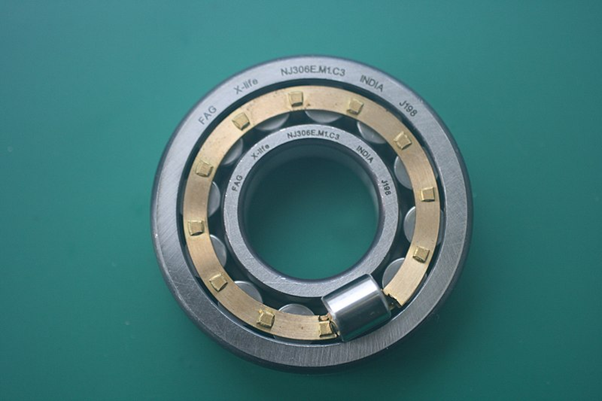
Figure 3: Cylindrical roller bearing. Source: Andydevon/CC BY-SA 3.0
Roller bearings are divided into styles based on the shape of the roller.
Cylindrical roller bearings can withstand high radial loads. Double-row configurations have a high rigidity along with high radial load capacity. These bearings usually cannot withstand axial loads but some designs have internal collars or ribs that allow them to resist small axial loads. There are thrust versions available that can accommodate high axial loads and impact but cannot support radial loads.
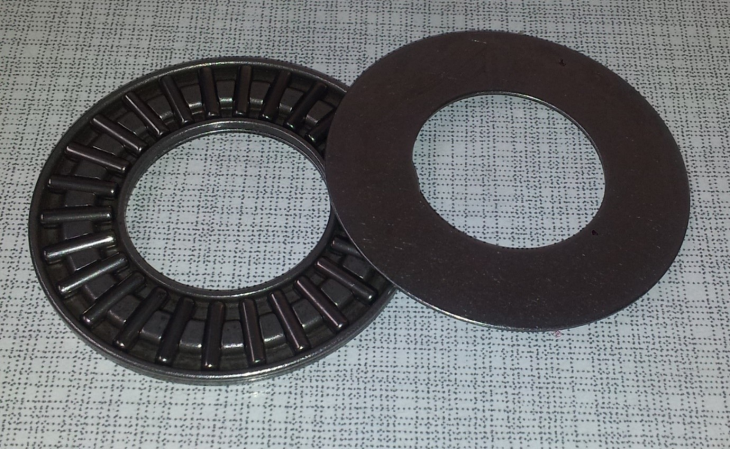
Figure 4: Thrust needle roller bearing. Source: Public domain
Needle roller bearings have long and thin rollers. Their radial load capacity is good and their main advantage is their thin cross-section, making them ideal for applications with limited space. Thrust configurations of needle roller bearings can hold up against higher axial loads.
Tapered roller bearings use conical rollers to support the load and can hold up against axial loads in one direction. They may be configured in double-row designs or used in pairs to counteract axial forces in both directions. Single-row tapered roller bearings are the simplest form and most commonly used. They consist of an assembly and a cup. The advantage of this bearing is improved rolling and reduced friction inside the bearing. Thrust configurations can be either single-direction or double-direction and can resist axial loads in one direction or both directions respectively. They have a “pure” rolling motion and generate less friction and wear similar to their radial counterparts.
Spherical roller bearings have barrel-shaped rollers and two inner raceways that are at an angle to the bearing axis. There is one hemispherical-shaped outer raceway. They have high self-alignment abilities and very high radial load capacities along with the ability to resist axial loads from both directions. There exist thrust configurations that can withstand some misalignment and take high axial loads along with smaller radial loads.
Plain Bearing
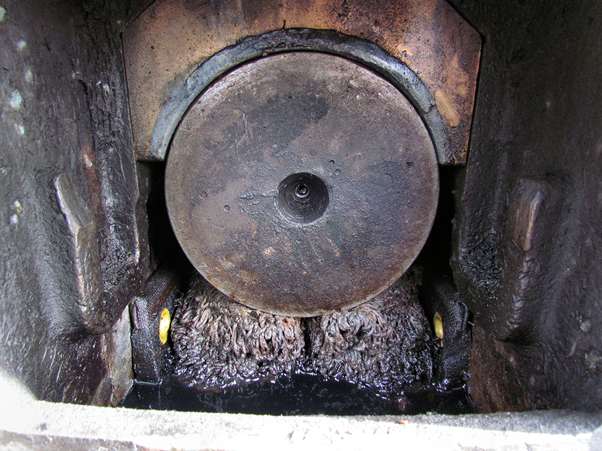
Figure 5: Plain bearing in driving axle. Source: Sturmovik/CC BY-SA 3.0
A plain bearing consists of a bearing surface with no rolling elements, it is the simplest form of a bearing. The part of the shaft in contact with the bearing, called the journal, slides over the bearing surface. These types of bearings are compact and lightweight and can withstand high loads.
Plain bearings result in greater amounts of friction and heat, which reduces component life and product efficiency. Lubrication may help to reduce friction as it keeps the surfaces apart and therefore increases component life. Lubrication also dissipates heat and helps to maintain clean contact services. The relative motion is generated by sliding, which is contrasted with the rolling motion of ball bearings and roller bearings.
Shaft Shape
The shape of the shaft affects the type of bearing chosen for applications.
Hex Bore
Shafts may be hexagonally shaped. A hexagonal shaft may be used as a transmission component. Hex shafts can be used in various industries and are often used in industrial power transmission applications, robotics, and conveyor systems. The benefits of hex shafts are bending deflection that increases work capability and fatigue life and that there is no key needed.
Tapered Bore
Shafts that are tapered or have an externally tapered sleeve will use tapered bore bearings. Tapered shafts maintain alignment and allow for components to be locked together more tightly and reliably.
Straight bore
Cylindrical shafts and cylindrical shaft sleeves will often use straight bore bearings.
Applications
Bearings are used across a variety of industries from aerospace to consumer and automotive.
Aerospace
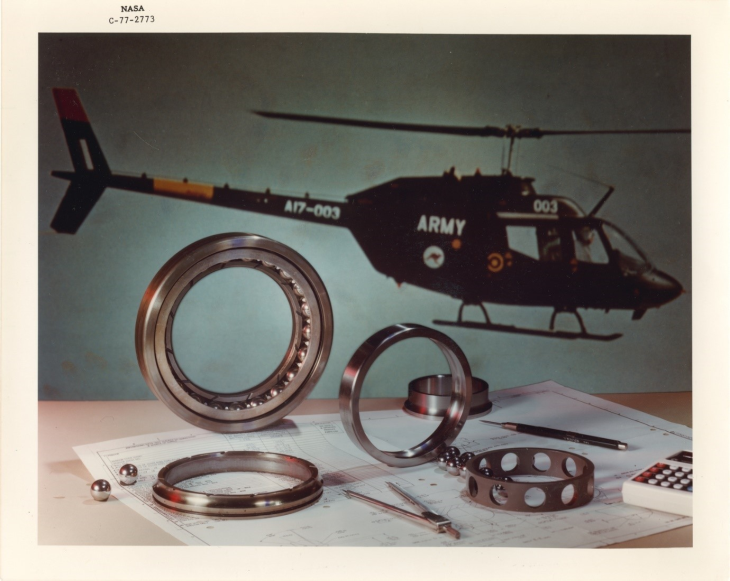
Figure 6: Ball bearings with plain backgrounds. Source: Public domain
Bearings used in aircraft control are often manufactured to U.S. government specifications and standards. Common types of bearings used in aircraft control are ball, roller, or needle bearings. These bearings are designed specially to meet the demand and safety requirements of aerospace applications.
Bearings can be used in the aerospace industry and are designed specifically for use in equipment such as jet engines and helicopters.
Agriculture
Bearings are vital to the agriculture industry. They can be used in agricultural machinery such as balers, seeding equipment, forage harvester equipment and combines. Many types of bearings are used in this industry depending on the specific application.
Automotive
Bearings are commonly used in the automotive industry. Vehicles rely on bearings to create low-friction motion that is smooth. Some bearings may be self-lubricating and a wide variety of configurations are available. Bearings are indispensable in automotive manufacturing.
Ball Screw Support
Ball screws are mechanical components that convert Rotary motion into linear motion with great efficiency. Ball screws withstand higher thrust loads and have reduced internal friction. Bearings are used in ball screws to reduce friction between the nut and the screw. They increase efficiency along with load capacity and help with positioning. Typically ball screw support bearings are angular contact bearings that have a steep contact angle. Cartridge designs include housing, seals, and bearings and are efficient components for ball screw applications.
Consumer Goods
Bearings are often used in consumer goods. For example, they are used in inline skates, fishing rods, and skateboards.
Instruments/Miniature
Some applications require very small bearings such as dental drills and computer disk drives. Typical bearings used in instruments and miniature applications are deep groove and angular contact bearings.
Medical
Bearings designed for the medical and dental industry must be designed to meet industry standards. Some considerations when using bearings in medical and dental applications include choosing designs that can manage high speeds and produce low noise while having long service life. Bearings used in medical applications often must be resistant to harsh environments as they are subject to aggressive chemical solutions for sterilization.
Military
Bearings used in military applications must comply with U.S. government military standards and meet appropriate specifications particular to their designated use. Bearings used in military applications are expected to perform in harsh conditions and must be robust and resilient to wear. Some applications require the bearing to be designed to be resistant to elements such as saltwater or sandstorms.
Pump
Bearings play a crucial role in pump systems and bear the load of the pump and allow rotation. In pumps, ball bearings are often used for small and medium-sized pumps. Commonly used ball bearing types are deep groove and angular contact ball bearings. They must support the hydraulic load that is imposed on the impeller as well as the mass of the impeller and shaft. Proper lubrication in pump applications is necessary for reliable service. Bearings in the pump industry play a role to reduce energy consumption, increase robustness, and reduce maintenance. Bearings in pump applications should be designed for high loads and harsh operating environments.
Spindle/Super Precision
Spindles are used in machine tools and comprise the rotating axes of the machine. The shaft that is rotating is called a spindle. These components rotate and are used to hold and drive cutting tools.
Features
There are many features that make a specific bearing more suitable for an application. For example, bearings may be flanged. When flanged, they consist of a cylindrical body with one end having a flange.
Bearings may also be self-aligning. These bearings are beneficial in situations where the alignment of the shaft and housing is difficult or when the shaft may undergo bending or deformation during use. Self-aligning bearings are usually types of ball bearings, they often have two rows of balls and a hemispherical raceway in the outer ring. There is a groove in the inner ring. They typically have lower axial load capacity. They are ideal choices in areas where mounting may be difficult. Internally self-aligning bearings often accommodate between 2° and 10° of misalignment.
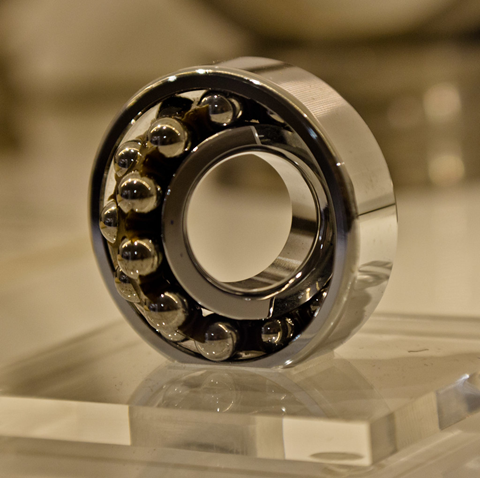
Figure 7: Spherical ball bearing. Source: Pelle Sten/CC BY 2.0
Spherical outside diameter bearings are tolerant of misalignment and have more load capacity than internal self-alignment bearings. However, these bearings require more radial space.
Some bearings come with retainer rings also called snap rings. These are fasteners that hold the bearing in place while in use. Bearings may also come with seals to prevent the entry of contaminants inside the bearings. Also, shields can be attached to the outer ring of bearings to prevent contaminants from entering inside the bearing.
Bearings can be designed to increase ease of maintenance and service. Split bearings allow for easy replacement and inspection. These are roller bearings where the main components are made in halves.
Sometimes there are space restrictions when selecting a bearing. Thin section bearings are designed to be low profile. They are light and are designed to save space. They may be called torque-tube bearings. They can sufficiently reduce friction.
When choosing a bearing, it is important to consider the size, features, and type of bearing that is advantageous for the application.
Related Information
Engineering360—Bell-Everman ServoBelt arc drive features new large-diameter rotary stage
Engineering360—You can say that's a lot of weight!