
Test Points Information
Last revised: January 31, 2025

Test points are electrical terminals used for testing electrical and electronic components. They facilitate the connection of test probes and test fixtures to printed circuit boards. They are used to verify the functionality new components, troubleshoot malfunctioning components, or to recalibrate a device or component.
Test points are differentiated by the type of circuit they interface with. They may be specified as a surface mount (SMT) test point or through-hole mount (THM) test point.
- Through hole mount (THM) test points are mounted to printed circuit boards (PCBs) through holes in the board. They may be further specified by the hole diameter, terminal materials, or package type. Common features for THT test points include snap-fit mounting and color coding.
- Surface mount technology (SMT) test points are compact terminals that are typically wave soldered to the board. They may be specified by size, terminal materials, and packaging type.
Specifications
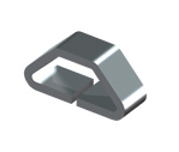
Dimensions — SMT test points are specified by length, width, and height. The footprint must match the size of the contacts on the board that they interface with. THM test points are specified by the corresponding hole diameter.
Terminal materials — Test points are manufactured from a plated strip or wire. Common terminal materials include brass and phosphor bronze that may be nickel, tin, silver, or gold plated.
Maximum current — The maximum current is the electrical load capacity of the test point measured in amperes.
Packing Methods
Test points use several different packing methods including the following:
- Tape reel assemblies consist of a carrier tape with embossed cavities for storing individual components. A cover tape seals the carrier tape in place. The composite tape is wound on a reel that is placed in a corrugated shipping box for transport and delivery.
- Shipping tubes or stick magazines protect components during shipping and provide proper component location and orientation for use with industry-standard, pick-and-place board assembly equipment.
- Test points that are packaged in bulk are distributed as individual parts.
Regulatory Compliance
There are two major European Union (EU) directives that affect test points: REACH and RoHS.
Registration, Evaluation and Authorization of Chemicals (REACH) is the EU standard for supply chain information exchange. The REACH standard provides a portal to facilitate communication with suppliers. If test points are submitted via a trader portal, the supplier portal sends an e-mail to the relevant exporter, requesting registration and providing details about the substances contained in the product. When more complex test points are involved, exporters can also include their own sub-suppliers in the automatic substance query. Restriction of Hazardous Substances (RoHS) is a European Union (EU) directive that requires all manufacturers of electronic and electrical equipment sold in Europe (including test points) to demonstrate that their products contain only minimal levels of the following hazardous substances: lead, mercury, cadmium, hexavalent chromium, polybrominated biphenyl, and polybrominated diphenyl ether. RoHS became effective on July 1, 2006, and continues to govern test points sold in EU nations.
Test Points FAQs
What are the different types of packing methods for test points?
Based on the information available, there are several different packing methods for test points:
Tape Reel Assemblies: This method involves a carrier tape with embossed cavities that store individual components. A cover tape seals the carrier tape, and the composite tape is wound on a reel, which is then placed in a corrugated shipping box for transport and delivery.
Shipping Tubes or Stick Magazines: These are used to protect components during shipping and ensure proper component location and orientation for use with industry-standard, pick-and-place board assembly equipment.
Bulk Packaging: In this method, test points are distributed as individual parts.
How do tape reel assemblies work in detail?
Tape reel assemblies are a common method for packaging components like test points, particularly for use in automated assembly systems. Here's a detailed explanation of how they work:
Carrier Tape: The process begins with a carrier tape that has embossed cavities. These cavities are designed to hold individual components securely in place. The tape is typically made from a durable material that can withstand the rigors of shipping and handling.
Component Placement: Each component, such as a test point, is placed into the cavities of the carrier tape. This ensures that the components are isolated from each other, reducing the risk of damage during transport.
Cover Tape: Once the components are in place, a cover tape is applied over the carrier tape. This cover tape seals the components within the cavities, providing additional protection and ensuring that they remain in place during handling.
Reeling: The sealed carrier tape is then wound onto a reel. This reel format is convenient for automated systems, as it allows for easy feeding into pick-and-place machines used in surface-mount technology (SMT) assembly processes.
Standards Compliance: Tape reel assemblies often conform to industry standards, such as the ANSI/EIA-481 standard, which specifies the dimensions and tolerances for the tape and reel format. This ensures compatibility with a wide range of automated assembly equipment.
Tape reel assemblies are particularly advantageous for SMT components because they facilitate efficient and precise placement during the assembly process. They also help in maintaining the orientation and positioning of components, which is crucial for automated systems.
How do test points contribute to the overall testing process in engineering systems?
Test points play a crucial role in the overall testing process in engineering systems by providing specific locations on a circuit board where measurements can be made to verify the functionality and performance of the system. Here are some ways in which test points contribute to the testing process:
Accessibility: Test points provide convenient access to various parts of a circuit without the need to probe directly onto delicate components or traces. This reduces the risk of damage during testing.
Efficiency: By having designated test points, engineers can quickly and efficiently connect testing equipment, such as oscilloscopes or multimeters, to measure voltages, currents, and other electrical parameters.
Automation: Test points are often used in automated testing setups, where robotic arms or automated test equipment can quickly connect to these points to perform a series of tests. This is particularly useful in high-volume manufacturing environments.
Consistency: Using test points ensures that measurements are taken from the same locations across multiple units, providing consistent and reliable data for quality control and troubleshooting.
Safety: Test points can help isolate the testing process from the rest of the circuit, minimizing the risk of short circuits or other electrical hazards during testing.
Regulatory Compliance: As mentioned in the context of regulatory compliance, test points must adhere to standards such as RoHS and REACH, ensuring that they meet safety and environmental requirements.
These contributions make test points an essential component in the design and testing of engineering systems, facilitating accurate and efficient verification of system performance.
How do automated testing systems utilize test points?
Automated testing systems utilize test points in several ways to enhance the efficiency and accuracy of the testing process in engineering systems:
Automated Connection: Test points are designed to be easily accessible for automated test equipment. This allows robotic arms or automated systems to quickly connect to these points without manual intervention, facilitating rapid testing cycles.
Standardized Formats: Test points are often supplied in standardized formats, such as tape and reel, which are compatible with automatic placement systems. For example, the TP-110-02-2-T test points are supplied in tape and reel format, conforming to the ANSI/EIA-48 I standard, making them suitable for use in automated systems.
Efficient Testing: By using test points, automated systems can efficiently measure electrical parameters like voltage and current at specific locations on a circuit board. This helps in verifying the functionality and performance of the system without the need for manual probing.
Consistency and Reliability: Automated systems can repeatedly connect to the same test points across multiple units, ensuring consistent and reliable data collection. This is crucial for quality control and troubleshooting in high-volume manufacturing environments.
Reduced Risk of Damage: Automated systems using test points minimize the risk of damaging delicate components or traces on the circuit board, as they provide designated locations for testing.
How do test points ensure safety during the testing process?
Test points ensure safety during the testing process in several ways:
Isolation and Accessibility: Test points provide designated locations on a circuit board for connecting testing equipment. This isolation helps prevent accidental contact with other components or traces, reducing the risk of short circuits or damage during testing.
Regulatory Compliance: Test points adhere to standards such as the RoHS Directive and REACH Regulations, which restrict the use of hazardous substances. Compliance with these standards ensures that test points are safe to use and do not introduce harmful materials into the testing environment.
Mechanical Stability: Test points like the TP-110-02-2-T are designed with mechanical stability in mind. They are manufactured from materials like phosphor bronze, which provides a larger surface area for mounting and can withstand the mechanical stresses common to the testing process.
Consistent and Reliable Data Collection: By using test points, engineers can ensure that measurements are taken from the same locations across multiple units. This consistency helps in maintaining the integrity of the testing process and reduces the likelihood of errors that could compromise safety.
Automated Testing Compatibility: Test points are often supplied in formats compatible with automated testing systems, such as tape and reel. This compatibility allows for precise and efficient testing without manual intervention, further minimizing the risk of human error and enhancing safety.
What are the features of specific test points like the TP-110-02-2-T?
The TP-110-02-2-T is a specific type of surface mount test point with several notable features:
Material and Construction
It is manufactured from phosphor bronze stock, which provides a larger surface area for mounting. This is important for handling the mechanical stresses common during the testing process.
Finish and Plating
The test point features a 0.0001 minimum matte tin finish over a 0.00001 nickel plate. This finish is compatible with the reflow soldering process, which is commonly used in surface mount technology.
Packaging and Compatibility
The TP-110-02-2-T is supplied in tape and reel format, with 2000 pieces on 7" reels. This format conforms to the ANSI/EIA-48 I standard, making it suitable for automatic placement systems used in automated testing environments.
Regulatory Compliance
It complies with the RoHS Directive 2002/95/EC and REACH Regulations EC 1907/2006, ensuring that it meets safety and environmental standards.
What are the advantages of using phosphor bronze in test points?
The use of phosphor bronze in test points offers several advantages, particularly in the context of engineering systems:
Mechanical Stability: Phosphor bronze provides a larger surface area for mounting, which is crucial for handling the mechanical stresses common during the testing process. This stability ensures that the test points remain securely attached to the circuit board, reducing the risk of disconnection or damage during testing.
Material Properties: Phosphor bronze is known for its excellent mechanical properties, including good strength and flexibility. These properties make it suitable for applications where the test points may be subjected to repeated mechanical stress or movement.
Compatibility with Soldering Processes: The TP-110-02-2-T test point, for example, features a matte tin finish over a nickel plate, which is compatible with the reflow soldering process. This compatibility ensures that the test points can be reliably soldered onto circuit boards using standard surface mount technology (SMT) processes.
Regulatory Compliance: Test points made from phosphor bronze, like the TP-110-02-2-T, comply with important regulatory standards such as the RoHS Directive and REACH Regulations. This compliance ensures that the test points are safe to use and do not introduce hazardous substances into the environment.
Test Points Media Gallery
References
Electronics360—New from Components Corporation: TP-110-02-2-T surface mount test points
GlobalSpec—Chip Capacitors Information
Image credit: