Stratigraphic Reservoir Characterization for Petroleum Geologists, Geophysicists, and Engineers: Handbook of Petroleum Exploration and Production, Volume 6

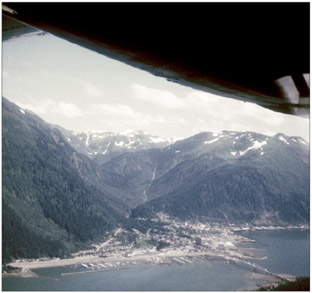
The shoreline is the transition zone that separates nonmarine processes and environments from marine processes and environments. In this zone, there are both marine and nonmarine influences. The nonmarine influence increases in the landward direction, and the marine influence increases toward the shore zone. The previous chapter discussed processes and deposits that occur in the coastal zone and on the open continental shelf, where major rivers are absent, and there is no significant, recurrent sediment source. By contrast, small to large rivers flowing to the ocean deposit their sedimentary load in the shore zone and, over time, they may form a deltaic deposit (Fig. 9.1).
A deltaic deposit's morphology and stratigraphy depend on several factors, such as the sediment load of the source river, the volume of the river and its drainage area, the topography over which the sediment travels on its way to the coast, and the nature and intensity of nearshore marine processes that act to rework and disperse the sediment once it reaches the coast. Also, sediment can be supplied to the shore zone from offshore and alongshore sources unrelated to a river. This chapter describes the variety of deltaic deposits and discusses the processes responsible for those deposits' architecture and stratigraphy. Examples of deltaic hydrocarbon reservoirs also are presented to demonstrate how important it is to be understand deltaic architecture if they are to be managed optimally.