40 Principles Extended Edition: TRIZ Keys to Technical Innovation, Volume 1


Compensate for the relatively low reliability of an object with emergency measures prepared in advance.
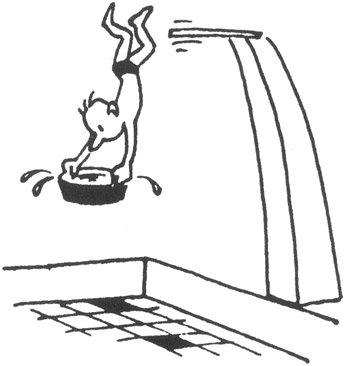
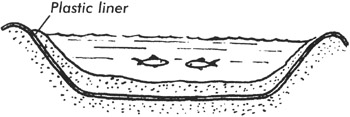
| To prevent water dissipation, a plastic liner is placed along the bottom of a reservoir. |
|
![]() |
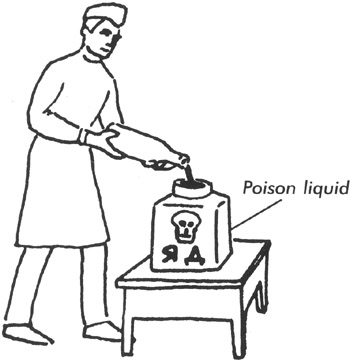
| A special chemical "tag" is added to a poison substance so it can be easily identified. |
|
![]() |
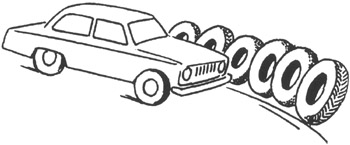
| Sharp turns on some roads use old tires to prevent accidents. |
|
![]() |
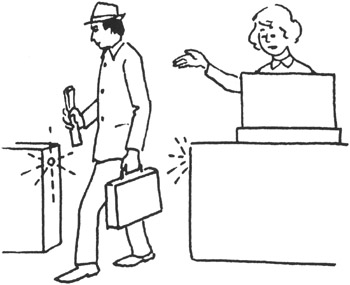
| To prevent shoplifting, a magnetic plate is inserted into the tag of the merchandise. When an item is stolen, it triggers an alarm. |
|
![]() |
Principle Number: 11
Principle Name: Cushion in Advance
Principle Description:
Prepare in advance and understand nothing is perfectly reliable.
Hints on Usage:
Acknowledge the fact that nothing is perfect.
In many cases, a system's reliability is manageable. With complex or high-volume systems, however, there is a likelihood of unacceptable failures. If these failures cannot be totally eliminated, it is important to prepare or compensate for the lack of reliability. Also, prepare in advance for situations with a high risk or high cost of failure.
Examples:
Baby mattresses and other furniture may be made flame resistant to minimize death in a home fire.
Auto failures and accidents are inevitable so airbags have been installed.
General Motors installed OnStar electronic support so owners can access engine diagnostics, unlock doors, and contact emergency services.
Life preservers are installed under the seats in airplanes in case of a water landing.
Cameras are installed in clear view to deter theft.
False contact names are embedded within a mailing list to identify...