The Art and Science of Ultrawideband Antennas

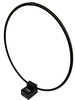
Typical consumer-electronic devices sacrifice antenna performance in favor of smaller, more cosmetic form factors [128]. A foot-diameter AM-band loop antenna would consume a sizeable fraction of the volume of a portable radio, so a smaller loopstick antenna is used instead. An FM-band whip antenna is thought to mar the lines of an automobile, so a discreet but inferior antenna is embedded in the window. A cell phone with a telescoping quarter-wave whip would be awkward, so an inefficient stub is used instead. An antenna that protrudes from a notebook computer is thought unsightly and might be prone to break off, so an embedded antenna is utilized instead. Consumers are generally more concerned with having a compact and aesthetic form factor than with having maximal range or sensitivity. Manufacturers are well aware of this and are happy to trade link margin for a more cosmetically appealing, better-selling consumer-electronic device.
Very few consumers even realize that there are shortcomings in their devices. If a radio station to which they are listening fades into static, how are they to know that with a better antenna, they could be listening to the same station for another half hour down the road? If their cell phone doesn't pick up calls in a particular area, how are they to know that a better antenna would provide them enough link margin to operate despite the fade? How many users of 802.11b wireless networks know that their link is supposed to be able...