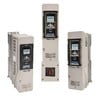
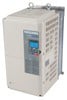
To some, motor speed control is somewhat of a mystical science, a science that causes motors and machines to sometimes operate in unexpected ways. Over 30 years ago, AC drives were considered "new technology." If a company wanted to have reliable production, it should stick with known, proven technology that of DC drives and motors. In many cases, the cost of transferring manufacturing machinery to AC technology, would not warrant the lengthy paybacks. It seemed that AC technology had a long way to go, to improve in reliability and reduced cost. In some technician's minds, you would need to have a new, back-up AC drive, because the first one would probably fail upon start-up.
As time marched on, low horsepower AC technology improved to the point where total installed costs, including the motor, were equal to or even less expensive than the DC alternative. The size of the AC drive was equal to or smaller that its DC counterpart. Improvements in power electronics increased the reliability of AC drives, to the point where one would almost never hear of a drive failure upon start-up.
This book is intended to de-mystify drive and motor technology, used in today's modern manufacturing processes. The text has roots in the practical side of drive and motor use, with the "design engineering" side of technology, presented in commonly used terms. An attempt is made to help the reader "start from scratch," gathering and reviewing a collection of basic information from basic electrical...
Copyright ISA - The Instrumentation, Systems, and Automation Society 2003 under license agreement with Books24x7


 TABLE OF CONTENTS