
Modular Turbidity Instruments
Last Updated: April 1, 2025
Description
Modular turbidity instruments are designed to measure the turbidity of a liquid, which is the cloudiness or haziness caused by large numbers of individual particles. These instruments typically consist of components such as a light source, a sample container, and photodetectors. They are used to provide precise measurements of turbidity levels in various liquid samples.
Working Principle
Modular turbidity instruments operate by passing a light beam through a liquid sample and measuring the amount of light scattered by the suspended particles. The light source, which can be a tungsten filament lamp, LED, or laser, emits light that interacts with the particles in the sample. Photodetectors then capture the scattered light at specific angles, usually 90 degrees, to determine the turbidity level. This measurement is crucial for assessing water quality, as higher turbidity can indicate the presence of contaminants or suspended solids.
Applications
Turbidity instruments are widely used in water quality analysis. For example, they are essential in monitoring drinking water, where increased turbidity can correlate with a higher risk of gastrointestinal diseases. They are also used in assessing aquatic environments, as high turbidity can reduce sunlight penetration, affecting aquatic plant growth and, consequently, aquatic life. Additionally, these instruments are employed in various industrial processes, including the pharmaceutical, chemical, and beverage industries, to ensure product quality and compliance with regulatory standards.
Advantages over other Mechanical - Shock and Vibration Control Equipment
Modular turbidity instruments offer specific advantages over mechanical shock and vibration control equipment. They provide non-contact measurement, which reduces the risk of contamination and wear on the instrument. This feature is particularly beneficial in environments where maintaining the integrity of the sample is critical. Additionally, the use of advanced optical components allows for precise and reliable measurements, even in challenging conditions.
Limitations
One limitation of modular turbidity instruments is their sensitivity to fouling, where biofilms or other deposits can accumulate on optical components, leading to inaccurate readings. The stability of the light source, particularly in tungsten filament lamps, can also affect measurement accuracy over time. Furthermore, these instruments may require frequent calibration and maintenance to ensure consistent performance.
Considerations
When selecting a modular turbidity instrument, several factors should be considered. Initial costs can vary depending on the complexity and features of the instrument. Operating expenses may include regular maintenance and calibration to maintain accuracy. Durability is an important consideration, especially in harsh environments, where robust housing and components are necessary. Accuracy is paramount, and users should ensure that the instrument meets the required standards for their specific application. Replacement and maintenance costs should also be factored into the decision-making process, as these can impact the long-term cost-effectiveness of the instrument.
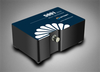
from Electro Optical Components, Inc.
The enormous versatility of spectroscopy allows its application in a variety of applications, including hyperspectral imaging, chemical imaging and infrared (IR) cameras for imaging and processing. Spectral imaging and hyperspectral imaging are made easy with these systems and software solutions. [See More]
- Form Factor: Modular
- Interface Options: User interface
- Water Quality Parameters: Turbidity
- Operating Temperature: -4 to 113