
Graphic / Video Display Densometers and Porosimeters
Description
Graphic/Video Display Densometers and Porosimeters are specialized instruments designed to measure the optical density and porosity of materials. Densometers focus on determining the optical density by assessing how much light passes through or is reflected by a material. Porosimeters, on the other hand, evaluate the porosity by measuring the air permeability of a substance, which is crucial for understanding the material's structural characteristics.
Working Principle
Densometers operate by transmitting light through a material and using a photoelectric cell to measure the amount of light that passes through or is reflected. This measurement helps determine the optical density of the material. Porosimeters gauge porosity by measuring the flow of air through a material. The densometer measures the time it takes for a known volume of air to pass through a specific area, while the porosimeter measures the air flow rate in cubic feet per minute through a larger area. These instruments are useful because they provide critical data on material properties, which can influence manufacturing processes and product quality.
Applications
Densometers and porosimeters are widely used in industries such as textiles and plastics manufacturing, where they test materials like woven fabrics and industrial textiles for air permeability. They are also employed in the oil and gas industry to assess the porosity of petroleum reservoirs, which is vital for resource extraction. Additionally, densometers are used in the pulp and paper industry to measure the porosity and air resistance of paper products.
Advantages over other Densometers and Porosimeters
Graphic/Video Display Densometers and Porosimeters offer enhanced precision in measuring optical density and porosity, providing more detailed insights into material properties. They can handle a wide range of materials, from textiles to plastics, and offer versatility in testing different material characteristics, such as smoothness and softness, which some other devices may not measure.
Limitations
One limitation of these instruments is that they may not provide complete color information, which can be a drawback in applications where color accuracy is critical. Additionally, the use of mercury in some porosimeters poses environmental and safety concerns, although newer models are replacing mercury with safer alternatives.
Considerations
When considering the use of Graphic/Video Display Densometers and Porosimeters, it is important to evaluate the initial costs, which can be significant due to the advanced technology involved. Operating expenses may vary depending on the specific model and its maintenance requirements. Durability and accuracy are generally high, but regular calibration and maintenance are necessary to ensure consistent performance. Replacement and maintenance costs should also be factored into the overall investment, especially for models that use consumables or require frequent servicing.
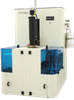
from Quantachrome Instruments
The PoreMaster series consists of three automatic mercury intrusion porosimeters offering new concepts in automated pore size analysis.The PoreMaster 33 porosimeter achieves a maximum pressure of 33,000 psia for pore size measurements in the range from over 1100* micron to 0.0064 micron pore... [See More]
- Display & Special Features: Benchtop or Laboratory; PC Interface / Networkable; SPC Software or Capability; Video
- Test Media: Powders; Powders, Pellets, Bulk Solids
- Properties Analyzed: Porosimetry / Pore Volume

from Quantachrome Instruments
NOVAtouch ™ Series. High Speed Surface Area and Pore Size Analyzer. Introducing the Next Generation of NOVA Analyzers. Now with Advanced Touchscreen and Higher Throughput Capabilities. The NOVAtouch ™ provides the next generation of NOVA analyzer performance and features. It delivers... [See More]
- Display & Special Features: Benchtop or Laboratory; PC Interface / Networkable; Video
- Test Media: Ceramics; Food / Beverage; Foam / Porous Materials; Metals; Powders; Soil
- Properties Analyzed: Pore Distribution; Porosimetry / Pore Volume