
Computer Dynamometers
Last Updated: April 1, 2025
Description
Computer dynamometers are sophisticated devices used to measure the torque and rotational speed of an engine, motor, or other rotating prime mover. They provide precise data on the power output of the device under test, allowing for detailed performance analysis. These dynamometers are integrated with computer systems to enhance data acquisition, processing, and analysis capabilities.
Working Principle
Computer dynamometers operate by applying a controlled load to the device under test and measuring the resulting torque and speed. This is often achieved through various braking mechanisms, such as hydraulic, magnetic, or friction-based systems. The data collected is then processed by computer systems to provide real-time feedback and detailed performance metrics. The integration with computer systems allows for enhanced accuracy and the ability to perform complex analyses, making them invaluable for testing and development purposes.
Applications
Computer dynamometers are used in a wide range of applications, including automotive, aerospace, and industrial sectors. For example, in the automotive industry, they are used to test the performance of engines and transmissions under various conditions. In aerospace, they help in assessing the performance of aircraft engines. They are also used in industrial settings to test the efficiency of motors and other rotating machinery.
Advantages over other Dynamometers
One of the key advantages of computer dynamometers over traditional dynamometers is their ability to provide real-time data analysis and feedback. This allows for more precise control and optimization of the testing process. Additionally, the integration with computer systems enables the automation of complex testing procedures, reducing the need for manual intervention and increasing efficiency.
Limitations
Despite their advantages, computer dynamometers have certain limitations. They can be expensive to purchase and maintain, and their complexity may require specialized training for operators. Additionally, the accuracy of the measurements can be affected by factors such as calibration errors or environmental conditions.
Considerations
When considering the use of computer dynamometers, several factors should be taken into account. Initial costs can be high, but the investment may be justified by the increased accuracy and efficiency they provide. Operating expenses can also be significant, particularly if specialized maintenance is required. Durability and accuracy are critical factors, as these will impact the reliability of the data collected. Finally, replacement and maintenance costs should be considered, as these can add to the overall cost of ownership.
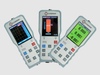
from XJCSENSOR Technology Co., Ltd.
Built-in multi-stage amplification chip, independent power supply for sensor. Multiple sensitivity input, and switchable. High speed, high transmission speed, and high dynamic response frequency. Good long-term stability, good anti-interference performance. [See More]
- Interface: Computer; RS232,RS485
- Technology: Hysteresis

from Unico, Inc.
Our engine dyno drives provide the most effective testing solution for all kinds of engine-testing dynamometer applications. It is an all-digital AC flux vector drive that incorporates software specifically designed for testing internal combustion engines to investigate the engine power and emission... [See More]
- Interface: Computer; Modem / Remote Control
- Application: Automotive; Transmissions
- Technology: AC