
Temperature Control (Probe) Thermal Relay Thermal Overload Relays
Description
Temperature Control (Probe) Thermal Overload Relays are devices designed to protect electric motors from overheating. They achieve this by monitoring the temperature of the motor windings and interrupting the electrical circuit when a predefined temperature threshold is exceeded. This helps prevent damage to the motor and ensures safe operation.
Working Principle
Temperature Control Thermal Overload Relays operate by directly sensing the motor's temperature using a thermistor or resistance thermal device (RTD) probe embedded in the motor winding. As the motor temperature rises and reaches the nominal temperature of the probe, the resistance of the probe increases rapidly. This change in resistance is detected by a threshold circuit, which then opens the relay contacts, interrupting the power supply to the motor. This mechanism is crucial for preventing motor damage due to overheating, making these relays an essential component in motor protection systems .
Applications
Temperature Control Thermal Overload Relays are commonly used in industrial settings where electric motors are employed. Specific examples include:
- Manufacturing Plants: Protecting motors in conveyor systems and assembly lines from overheating.
- HVAC Systems: Ensuring the safe operation of motors in heating, ventilation, and air conditioning units.
- Pumping Stations: Safeguarding motors in water and wastewater treatment facilities.
Advantages over other Thermal Overload Relays
One of the key advantages of Temperature Control Thermal Overload Relays is their ability to provide precise protection by directly measuring the motor temperature rather than relying solely on current measurements. This direct temperature measurement allows for more accurate detection of overheating conditions, reducing the risk of motor damage compared to other types of thermal overload relays that may only monitor current levels .
Limitations
A notable limitation of Temperature Control Thermal Overload Relays is their dependency on the proper functioning of the temperature probe. If the probe fails or becomes inaccurate, the relay may not provide the necessary protection, potentially leading to motor damage. Additionally, these relays may require more complex installation and calibration compared to simpler overload protection devices .
Considerations
When selecting and using Temperature Control Thermal Overload Relays, several factors should be considered:
- Initial Costs: These relays may have higher upfront costs due to the inclusion of temperature sensing components.
- Operating Expense: While they offer precise protection, the operating expenses may include regular calibration and maintenance of the temperature probes to ensure accuracy.
- Durability: The durability of the relay is largely dependent on the quality of the temperature probe and the environmental conditions in which it operates.
- Accuracy: The accuracy of temperature measurement is a significant advantage, but it requires regular checks to maintain reliability.
- Replacement and Maintenance Costs: Regular maintenance of the temperature probes is necessary, and replacement costs should be factored into the overall lifecycle cost of the relay system .
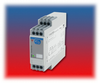
from CARLO GAVAZZI Automation Components
The DTA04 features universal input voltage, giving it flexibility to be installed in a variety of control panels. This is a DIN rail mounted thermistor relay whose main purpose is to protect electric motors from overheating, ensuring continuous production and preventing machine downtime. The... [See More]
- Overload Relay Type: Temperature Control (Probe)
- Poles: Single Pole (SP)
- Contact Current: 8
- Features: Automatic Reset (optional feature); Visual Indicator