
Fluoroelastomer Elastomer and Rubber Shapes
Description
Fluoroelastomer elastomer and rubber shapes are synthetic rubbers composed of fluorine, carbon, and hydrogen. These materials are known for their superior chemical resistance and low friction properties. They are designed to withstand harsh environments and maintain their integrity under extreme conditions, making them highly durable and reliable for long-term use.
Working Principle
The working principle of fluoroelastomer elastomers lies in their unique chemical composition and molecular structure, which includes a high ratio of fluorine to hydrogen. This structure provides them with exceptional resistance to heat, chemicals, and environmental factors such as UV and ozone. Their ability to resist oxidation and degradation ensures that they maintain their properties over time, reducing the need for frequent maintenance and replacement. This makes them particularly useful in applications where reliability and longevity are critical.
Applications
Fluoroelastomer elastomers are used in a wide range of applications across various industries. In the automotive industry, they are employed in cylinder head gaskets, pump diaphragms, and heat-sealable tubing for wire insulation. The aerospace sector utilizes them for seals in firewalls, valve stems, and gaskets for manifolds. In the petrochemical industry, they are used for seals, gaskets, and linings for pumps. Additionally, they find applications in industrial settings for electrical connectors, valve liners, and fuel joints.
Advantages over other Elastomer and Rubber Shapes
Fluoroelastomers offer several advantages over other elastomer and rubber shapes. They exhibit high heat resistance, withstanding temperatures up to 300 °C (572 °F) in some formulations, which surpasses many other elastomers. Their chemical resistance is also superior, providing protection against aggressive solvents, fuels, oils, and acids. Furthermore, they have low gas absorption and slow compression set at elevated temperatures, enhancing their performance in demanding environments. Their resistance to aging and environmental factors like UV and ozone further distinguishes them from other materials.
Limitations
Despite their many advantages, fluoroelastomers have some limitations. They have limited resistance to methanol, hot water above 212°F (100°C), steam, and other highly polar fluids. Additionally, they are not well-suited for low-temperature applications, with a lower limit of -22°F (-30°C). These factors can restrict their use in certain environments and applications.
Considerations
When considering the use of fluoroelastomer elastomers, it is important to evaluate the initial costs, which can be higher compared to other materials due to their specialized properties. However, their durability and long service life can offset these costs by reducing the frequency of replacements and maintenance. Operating expenses may also be lower due to their reliability and resistance to degradation. It is crucial to assess the specific needs of the application, including thermal stability and chemical exposure, to ensure that fluoroelastomers are the appropriate choice for the intended use.

from Precision Associates Incorporated
PAI Ground Rubber balls are available in a variety of materials, including Viton ®, Buna N, Neoprene ®, HNBR and more. PAI's Rubber Balls are precision ground to remove parting lines for a superior sealing surface. Ground balls are available in a variety of Polymers in durometers from 70 to... [See More]
- Chemical System: Fluoropolymer; Silicone; EPDM, Nitrile, Neoprene
- Width / O.D.: 0.1870 to 0.7500
- Filler: Unfilled
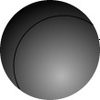
from Precision Associates Incorporated
PAI Ground Rubber balls are available in a variety of materials, including Viton ®, Buna N, Neoprene ®, HNBR and more. Molded Rubber Balls can be made in almost every one of our 1,000+ compounds. PAI's Rubber Balls are precision ground to remove parting lines for a superior sealing surface. [See More]
- Chemical System: Fluoropolymer; Silicone; EPDM, Nitrile, Neoprene
- Width / O.D.: 0.0440 to 6.5
- Filler: Unfilled