
Patch Cables and Cords Information
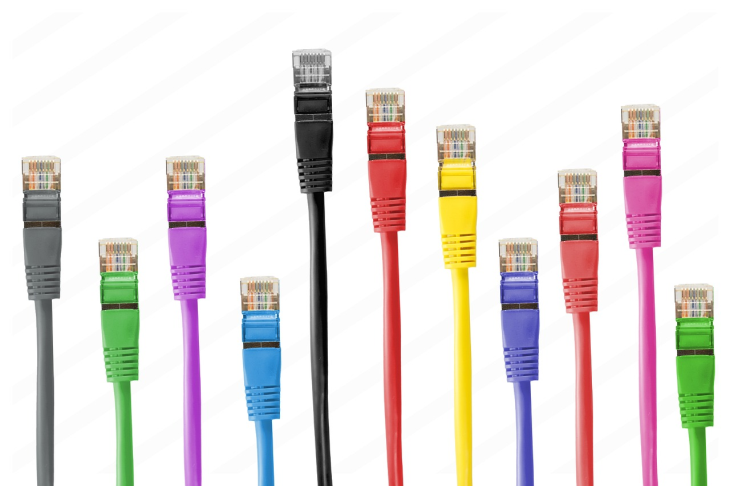
Figure 1: Standardized connectors and cable types ensure that data and power are transmitted efficiently, economically, and with minimal signal degradation. Source: Pixabay
A connected world requires miles of cables and cords to transmit information and energy properly. Patch cables and cords fill this need by providing the right type of cable for particular applications. Standardized connectors and cable types ensure that data and power are transmitted efficiently, economically, and with minimal signal degradation.
Theory of Operation
Patch cords and cables are primarily designed to connect devices and transmit electrical signals or power between them. They can be used in various settings, such as audio, video, data communications, and power distribution. While patch cables and cords can be used for many different applications, they all have similar base components:
- Conductors: These are usually made of copper or aluminum, and they carry the electrical current. The choice of conductor material and its dimensions directly impacts the cable's resistance, capacitance, and overall transmission capability.
- Insulation: Surrounds the conductor to prevent unwanted contact or short-circuiting. Insulation materials (like PVC, Teflon, or rubber) are chosen based on their electrical and thermal properties.
- Shielding: Some cables, especially those used for data or sensitive audio/video signals, have shielding. This is to prevent external electromagnetic interference from affecting the signal. Common types include foil shields or braided shields.
- Jacket: The outer layer that protects the internal components from physical damage and environmental factors.
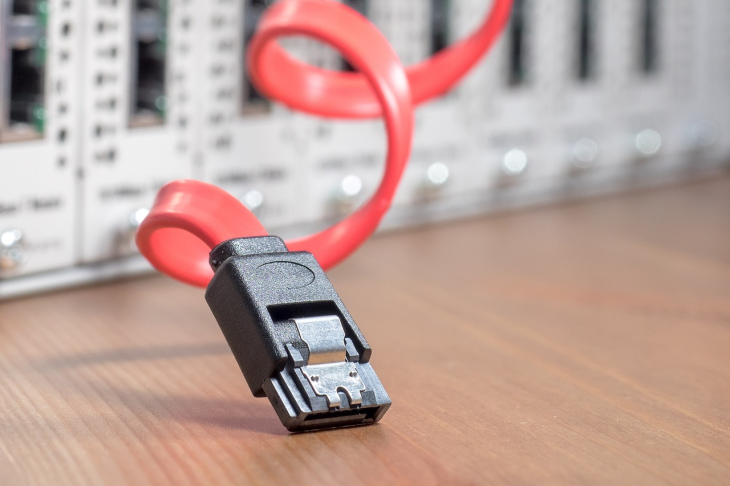
Figure 2: Electrical signals are sent through the conductors in the form of voltage changes. Source: Pixabay
Electrical signals are sent through the conductors in the form of voltage changes. The quality of the transmitted signal can be affected by various factors like cable length, interference, resistance, and capacitance of the cable.
The ends of patch cords often have connectors tailored to specific devices or standards. For example, Ethernet cables might have RJ-45 connectors while audio cables might have 3.5 mm jacks or XLR connectors.
Various factors can affect the quality of the transmitted signal. To maintain signal integrity, especially in longer cables or high-frequency applications, cables may have specific designs, like using high-quality materials, specific twists per inch in twisted pairs, or added shielding.
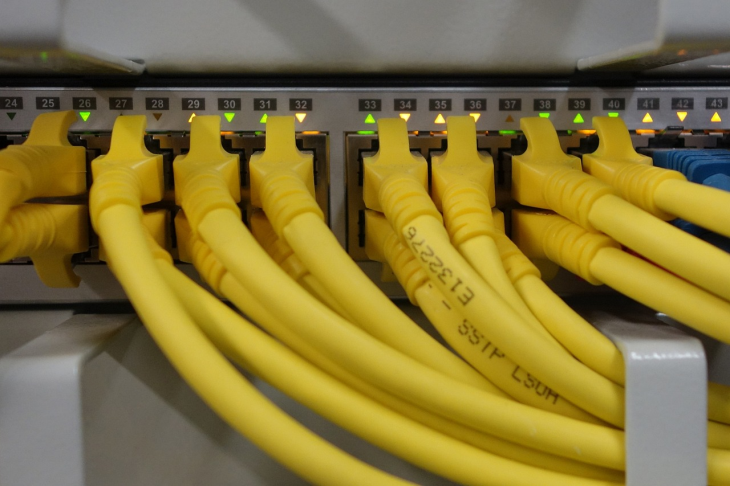
Figure 3: Patch cables and cords are designed to meet certain specifications to ensure they function reliably and compatibly in various applications. Source: Pixabay
Specifications
Patch cables and cords are designed to meet certain specifications to ensure they function reliably and compatibly in various applications. Here are some common specifications:
Cable Type
Patch cables exist as many different types of cables, each catered to different applications. Common cable types include:
- Coaxial: RG-58, RG-59, RG-6 are examples of specifications for different types of coaxial cables, each with its particular application.
- Twisted pair: Categories like Cat5e, Cat6, Cat6a, Cat7, and Cat8 denote different specifications for Ethernet cables, indicating maximum data rates and maximum cable lengths.
- Fiber optic: Single-mode (SM) or multi-mode (MM), with different core diameters like 9/125 µm for SM or 50/125 µm, 62.5/125 µm for MM.
Conductor Material
Typically copper, but in some high-end audio cables or large power cables, you might find silver, gold, or aluminum. High-quality conductors greatly reduce data degradation but can dramatically increase the cost of the patch cord as well.
Shielding
Shielding for patch cords is often designated by a code like U/FTP, F/UTP, S/FTP, or others. These codes indicate how the cable is shielded. For instance, F/UTP means the cable as a whole is shielded with foil, but individual twisted pairs are unshielded.
Jacket Material
To protect the shielding and conductors, patch cords need a jacket. Many different jacket materials are available like PVC, plenum and low smoke zero halogen (LSZH). The choice depends on the environment in which the cable will be used and the conditions that the cable will be exposed to.
Connector Type
Patch cords are useless without the right connectors on the ends. Common connector types include RJ-45, RJ-11, BNC, SC, LC, MTP/MPO, XLR, 3.5 mm, RCA, and others. The connector is essential for ensuring the cable can be plugged into the appropriate device.
Cable Performance
Performance for a patch cord or cable can be measured via a few different parameters. Common parameters to be aware of include:
- Bandwidth: Maximum frequency the cable can handle without significant signal loss.
- Attenuation: Signal loss over distance.
- Crosstalk: Interference caused by signals in one cable or pair affecting another.
- Maximum data rate: Especially important for data cables like Ethernet.
- Maximum transmission distance: Especially relevant for fiber optic cables.
Bend Radius
Indicates the minimum radius to which the cable can be safely bent without risking damage or performance degradation. Tightly bending many patch cords can permanently damage the cable.
Temperature Rating
Specifies the range of temperatures the cable can operate within without performance loss. The temperature rating is often a function of the physical materials making up the conductor, shielding, and jacket.
Voltage and Current Rating (for power cables)
Not all patch cords are designed for carrying power. Those that are will specify the maximum voltage and current the cable can safely carry.
Flammability Rating
Indicates the cable's resistance to fire, which can be essential in building codes.
Physical Dimensions
In addition to performance, the physical dimensions of the cable are just as important to specify. Parameters to check include diameter, length, and weight.
Color and Markings
While color often doesn't affect functionality, it can be essential for organizing or identifying cables in complex setups. Markings might indicate specifications, certifications, or other relevant data.
When selecting a patch cable or cord for a specific application, it's crucial to ensure it meets the necessary specifications for that application. This ensures compatibility, reliable performance, and safety.
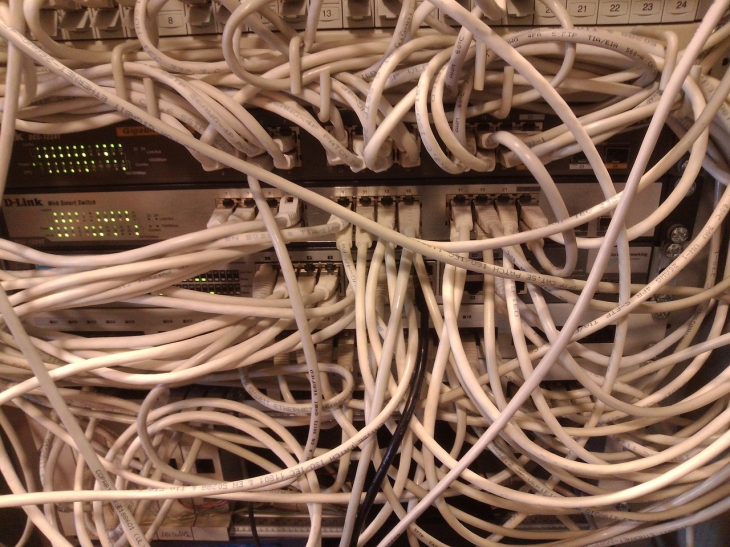
Figure 4: Patch cords and cables come in various types based on their application and the type of signals they are designed to carry. Source: Pixabay
Types
Patch cords and cables come in various types based on their application and the type of signals they are designed to carry. Here are some common types:
Ethernet Patch Cords
Used for networking and data transmission, Ethernet cables are ubiquitous with connectivity and the internet. Examples of Ethernet patch cords include Cat5e, Cat6, Cat6a, Cat7, and Cat8.
Coaxial Cables
Used for RF signal transmission, these cables are often used for television and some internet connections. Examples of coaxial cables include RG-58, RG-59, and RG-6.
Fiber Optic Patch Cords
Used for high-speed data transmission over long distances, fiber optic patch cords represent speed and high bandwidth. Common types of fiber optic patch cables include single-mode (SM) and multi-mode (MM). Common connectors for these cables are SC, LC, ST, and MTP/MPO.
Audio Patch Cords
These patch cords are specifically designed for transmitting audio signals. Examples of these cables include XLR (used in professional audio), 1/4-inch jack, 3.5 mm jack, and RCA cables.
Video Cables
Used for transmitting video signals, these signals must transmit enough data for images to render in the required resolution. Examples of these cables include HDMI, DisplayPort, VGA, DVI, and BNC (for CCTV).
USB Patch Cords
For connecting devices via the USB interface, USB patch cables are needed. Types of USB patch cords include USB-A, USB-B, USB-C, USB Mini, and USB Micro.
Power Cords
Providing electrical power to various devices is often handled by power cord patch cables. Types vary based on country and device type but examples include IEC C5, C7, C13, C14; NEMA 5-15P (common in the U.S.).
Rolled or Console Cables
These cables are used to connect computers to networking equipment consoles, like routers or switches.
FireWire Cables
FireWire cables are used for data transmission between devices like cameras, computers, and other peripherals.
Each type of patch cord or cable is designed for specific applications and has its own set of standards and specifications. When choosing a patch cord or cable, it's essential to select the right type for the application to ensure compatibility and optimal performance.
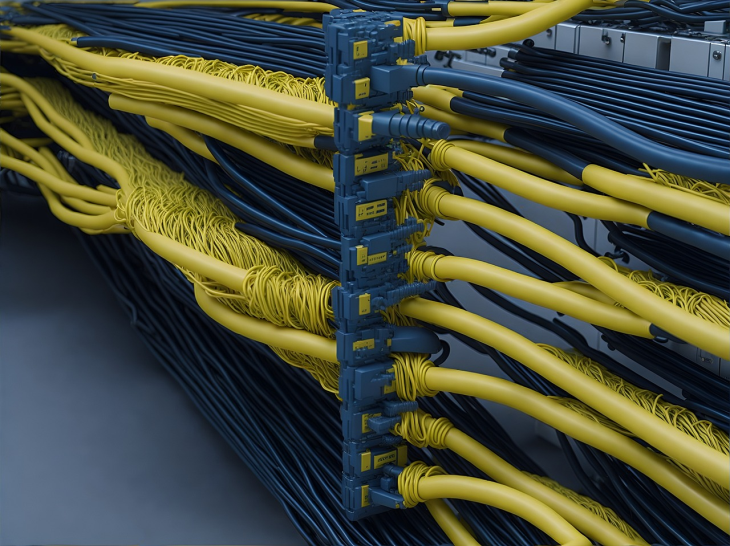
Figure 5: Strain relief is a design feature near the connector that prevents the cable from bending at sharp angles. Source: Pixabay
Features
Features of patch cords and cables can be viewed as the attributes or design elements that enhance their functionality, user experience, and reliability. Here are some common features:
Gold-plated Connectors
Gold plating reduces corrosion and provides better signal integrity over time. While not common for networking, gold-plated connectors are often seen in high-quality audio, video, and data cables.
Strain Relief
Strain relief is a design feature near the connector that prevents the cable from bending at sharp angles, which could damage the internal conductors or the connection itself. Strain relief is quite useful for extending the life of a cable and reducing signal degradation.
Snagless Design
Ethernet patch cables often have a "snagless" boot, which is a cover for the latch to prevent it from catching and breaking when pulling through tight spaces. Snagless cables are quite popular for those who install many patch cables and clearly see the benefit of a snagless design.
Molded Boots
Molded boots are molded plastic covers over the cable-connector junction. These boots provide extra protection against wear and tear.
Flat Cables
Some patch cords, especially for Ethernet, come in a flat design, making them easier to run under carpets or along baseboards.
Braided Cables
Adds an extra layer of protection and flexibility. They can also be more aesthetically pleasing.
Color-coded
Many patch cords come in various colors, which can be useful for organizing or identifying specific connections in a complex setup.
LED Indicators
Some patch cords, especially fiber optic ones, come with LED indicators to show that the connection is active.
Double-shielded
When electromagnetic interference is a big concern, double-shielded cables are useful. Double-shielded cables have both a foil and a braided shield to provide maximum protection against electromagnetic interference.
Plenum-rated
Designed to be used in air-handling spaces, these cables have a special jacket that produces less smoke and fewer toxic fumes when burned. These cables must be plenum-rated to ensure building safety.
Hybrid Cables
Hybrid cables combine the best of multiple worlds. Hybrid cables combine different types of conductors or connectors in one cable. For instance, a cable might have both fiber optic and copper conductors.
These features, among others, are designed to enhance the functionality, durability, and user-friendliness of patch cords and cables. Depending on the application, some features might be more relevant or essential than others.
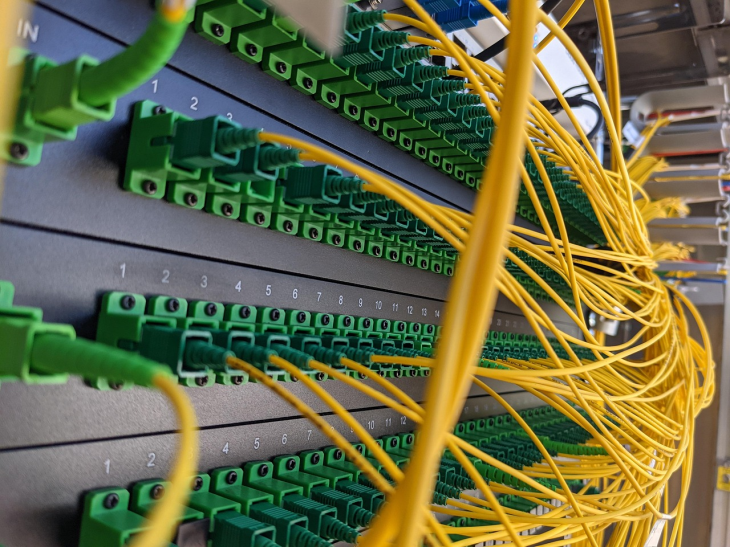
Figure 6: The manufacturing process for patch cords and cables involves several steps, from material selection to final assembly and testing. Source: Pixabay
Manufacture
The manufacturing process for patch cords and cables involves several steps, from material selection to final assembly and testing. The exact process can vary based on the type of cable being produced, but here's a general overview:
Conductor Manufacturing
Most cables use copper or aluminum as the conductor. These metals are first drawn into thin wires from larger rods or billets. The drawing process reduces the diameter of the wire to the desired size.
In some cases, the conductors are plated with a layer of another metal, like tin, silver, or gold, to enhance conductivity or reduce corrosion.
Insulation
The conductors are then insulated using materials like PVC, polyethylene, or Teflon. This involves passing the wire through an extruder that coats it with the insulating material.
The choice of insulation depends on the application and desired electrical properties.
Twisting (for twisted pair cables)
Pairs of insulated wires are twisted together at specific twists per inch. This helps reduce electromagnetic interference. For patch cables that contain multiple circuits, various twist rates are used to prevent interference from one circuit to another. These circuits are then gathered together before shielding.
Shielding
To protect the cable from external interference, a shielding layer is added. This could be a foil wrap or a braided wire shield, or sometimes both. Shielding is especially common in data and high-frequency cables. With shielding, the data transmitted in the circuits contained inside of the shielding is subject to less degradation.
Jacketing
An outer protective layer, or jacket, is added to the cable. This is usually made of PVC, but other materials like rubber or LSZH can be used. The jacket provides physical protection and can also have flame-resistant properties.
Connector Attachment
For patch cords, connectors are attached to the ends of the cables. This involves stripping the end of the cable, arranging the internal wires (if applicable), and crimping or soldering the connector in place. The type of connector varies based on the cable's application (e.g., RJ-45 for Ethernet, XLR for professional audio, SC/LC for fiber optics). For many patch cords and cables, connector attachment occurs in the field so that the cables are precisely the correct length for the application.
Fiber Optic Cable Differences
It is important to note that the manufacturing process for fiber optic cables is more complex. Instead of an electrical conductor like copper, fiber optic cables involve drawing glass or plastic into thin fibers, coating them for protection, and then arranging these fibers in a specific configuration. These are then jacketed and, in some cases, armored. Connectors like SC, LC, or MTP are then attached.
Other differences in the manufacturing process can vary based on the scale (mass production versus custom cables), the specific type of cable, and the manufacturer's practices and equipment. Advanced automation and precise machinery are commonly used in modern cable manufacturing to ensure consistency, quality, and efficiency.
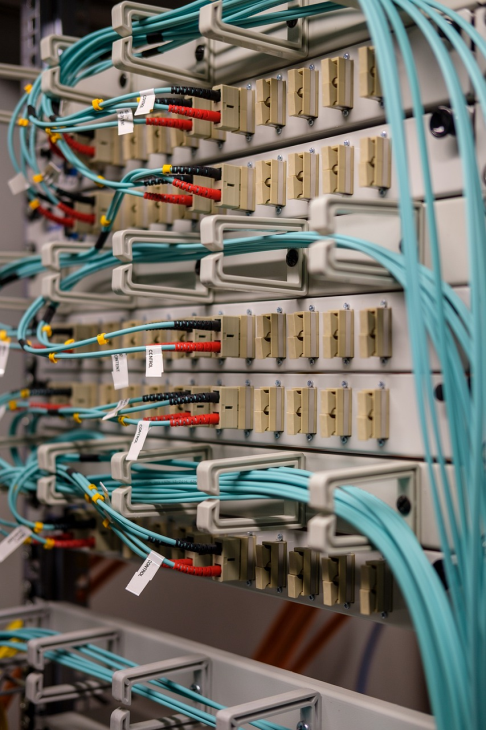
Figure 7: Advanced automation and precise machinery are commonly used in modern cable manufacturing to ensure consistency, quality, and efficiency. Source: Pixabay
Applications
Patch cords and cables play a fundamental role in a variety of applications across industries and everyday life. Their primary function is to connect devices and transmit signals or power. Here are some common applications:
Data Networking
One of the most common applications for patch cords and cables is in data networking. Connecting computers, servers, switches, routers, and other networking devices at a given site can require miles of cables and cords. Ethernet patch cables (Cat5e, Cat6) are commonly used in this context to distribute internet and intranet connectivity throughout the building.
Telecommunications
Modern telecommunication systems still require physical linkages to transmit data effectively. Patch cables are used to link telephone systems, fax machines, and modems. RJ-11 and RJ-12 cables are typically seen in these applications.
Home Entertainment
Connecting TVs, sound systems, game consoles, DVD/Blu-ray players, and streaming devices in a modern home can require quite a bit of cabling. While wireless solutions are available, the quality and stability of wired connections are still unmatched. Common cables include HDMI, RCA, optical audio, and coaxial cables for home entertainment applications.
Audio Production
Linking musical instruments, microphones, amplifiers, mixers, and recording devices requires many patch cords and cables. XLR, 1/4-inch jack, and 3.5 mm cables are frequently used.
Video Production
Just like in audio production, video production requires carefully moving around large amounts of data with minimal degradation. Connecting cameras, video switchers, monitors, and recorders requires patch cords. BNC, HDMI, SDI, and VGA cables might be used depending on the specific equipment in use.
Computer Peripherals
Linking computers to printers, scanners, external hard drives, and other devices requires cables as well. USB, FireWire, Thunderbolt, and eSATA cables are common depending on the types of equipment being connected.
Industrial Automation
Connecting sensors, actuators, PLCs, and other automation equipment is done through patch cables. Serial cables, specialized industrial connectors, and Ethernet can be used to transmit data and connectivity throughout a facility.
Broadband and Cable TV
Coaxial cables are used to connect homes to cable TV and broadband internet services.
Security Systems
CCTV cameras, alarms, and access control systems often use a combination of coaxial, Ethernet, and power cables. Many of these devices also use Power over Ethernet (PoE) to power the cameras or other devices using the same cable.
These applications underscore the ubiquity and importance of patch cords and cables in modern technology and daily life. Proper selection and maintenance of these cables are crucial for the reliable and safe operation of the devices they connect.
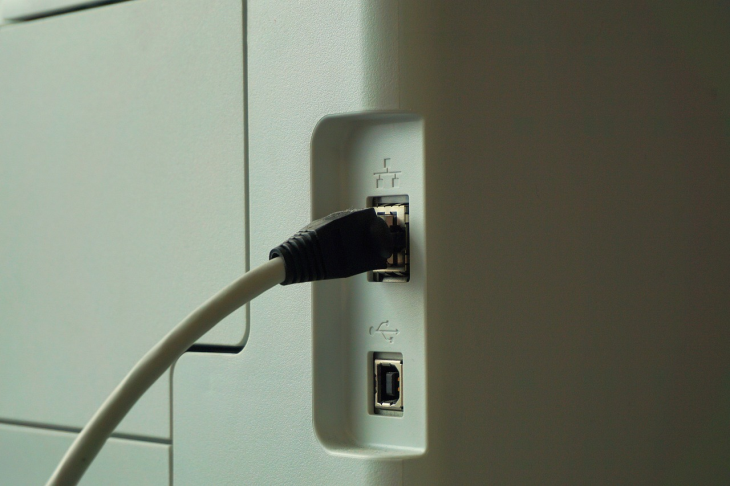
Figure 8: Various standards apply to patch cords and cables, depending on their application, region, and type. Source: Pixabay
Standards
Various standards apply to patch cords and cables, depending on their application, region, and type. These standards ensure compatibility, reliability, safety, and performance. Here are some of the primary organizations and associated standards:
- TIA/EIA-568
- Cat5e, Cat6, Cat6a, Cat7, and Cat8
- ISO/IEC 11801
- IEEE 802.3
- ANSI/TIA-569
- ANSI/TIA-607
- IEC 60332
- NEC
Many organizations exist to ensure compatibility throughout a given industry. For example, TIA/EIA provides a set of telecommunications standards covering commercial building cabling for telecommunications. It provides guidance on things like pinouts, color codes, and performance requirements.
Classifications for particular cable types like twisted-pair cabling help ensure consistency across different manufacturers and simplify installations. Other standards specify general-purpose telecommunication cabling systems, including both twisted-pair and fiber-optic media.
While many organizations focus on the performance and compatibility of patch cables and cords, other entities focus on safety. Proper grounding and termination of patch cords are covered by some standards while others focus on the safe installation of patch cords in a building. The National Electric Code (NEC) in the United States provides guidance on where and how patch cords are used and installed in buildings. Particular requirements govern how patch cords are used in plenums where smoke during a fire could be particularly life-threatening.
These standards and certifications help ensure that cables and patch cords are safe, reliable, and compatible across devices and applications. Manufacturers often have to undergo rigorous testing and quality assurance processes to ensure their products meet these standards.