4.3.1 Polybutene-1 or Polybutylene-1 (PB)
There are two formulae for butene according to the position of the double bond (see Figure 4.15). Only the butene-1 isomer is used to polymerize an engineering material in its isotactic form, as shown in Figure 4.15. (The other form of butene leads to polyisobutylene, a low-viscosity polymer, only used as viscosity modifier, for example for oils and chewing gum.)
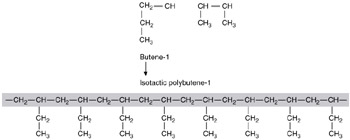 Figure 4.15: Butene and polybutene formulae
 In the following we will only consider polyeutylene-1, simply named polybutene or poly-butylene (PB).
Polybutene is a polyolefin differing from polyethylene and polypropylene by the number of carbon atoms in the pendant groups. Polybutene is mainly used for sealing, films and pipes conveying pressurized hot and cold water.
To illustrate the differences in creep behaviour between the main polyolefins, after 1000 h under 8 MPa at room temperature, the elongations are, for example:
-
<8% for a PB
-
10% for a PP homopolymer
-
16% for a PP copolymer
-
>24% for a PEA
-
?24% for a PE.
These results relate to some grades only and cannot be generalized.
There are numerous grades of copolymers with polyethylene having some differing properties.
The incompatibility between polybutene and polyethylene is used to make peelable film seals.
Advantages
Properties are close to those of polyethylenes with some differences: good mechanical properties at ambient temperature, good balance of low stiffness and high toughness, high filler loadings, better creep, stress cracking and heat behaviour than polyethylene, attractive price/property ratios, easy processing, chemically...

 TABLE OF CONTENTS