Local Energy: Distributed Generation of Heat and Power

Chapter 16: Finance and Local Generation

Overview

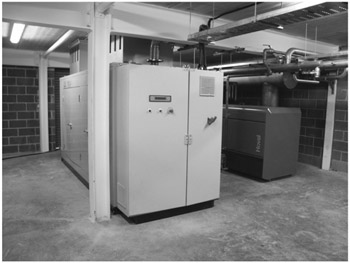
Using the waste heat from the electricity-generation process, plants like this one at Ludlow can convert fuel to power and heat at very high efficiencies.

The capital cost of local power and heat projects is often rather higher than providing power or heat conventionally. There are a number of reasons for this: the equipment is relatively new or supplied in small volumes, so it is more expensive; the technology may be new to its location, so alterations are required in existing buildings to allow for it; it may simply have had a different cost structure from more conventional choices, with high capital costs eventually balanced by low operating or fuel costs.

The government response has been to try to pump-prime the market with subsidies and grants that will eventually increase the market size to a point when unit costs begin to fall. That effort has been made more difficult because the options for distributed energy are so varied and apply at such different scales. Developing a volume market for the domestic scale is probably more achievable than it is at mid-scale, where energy will always have to be tailored both to the resources available and to the particular needs of the customer.

One problem at mid-scale is that companies often require payback on new capital investments within a few years. A switch to so-called 'life-cycle' costing, whereby the purchasing and installation costs are assessed in conjunction with fuel and maintenance and often removal at the end of the...

UNLIMITED FREE
ACCESS
TO THE WORLD'S BEST IDEAS

SUBMIT
Already a GlobalSpec user? Log in.

This is embarrasing...

An error occurred while processing the form. Please try again in a few minutes.

Customize Your GlobalSpec Experience

Category: Boiler and Pressure Vessel (BPV) Services
Finish!
Privacy Policy

This is embarrasing...

An error occurred while processing the form. Please try again in a few minutes.