Valve Selection Handbook: Engineering Fundamentals for Selecting the Right Valve Design for Every Industrial Flow Application, Fifth Edition
The purpose of this chapter is to introduce the various types of valve actuators currently available to operate the valves previously covered in this book. There are numerous advantages and disadvantages and actuator manufacturer performance data should be referred to in order to assist in the final decision.
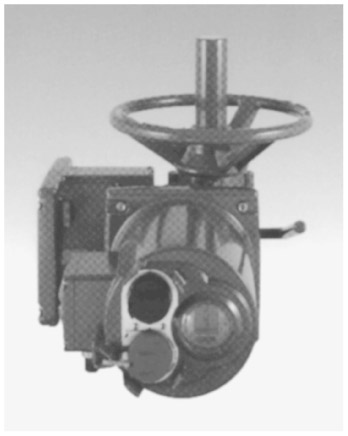
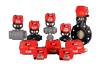
A manually operated valve is one that has to be operated by plant personnel, who supply the energy necessary to open, close, or position the closing element of the valve. For a variety of reasons listed below, manual operation may not be an option and an alternative method of valve operation is required. This can be achieved by adding a supplementary piece of equipment called an actuator (Figure 8-1) to the valve. This accessory can, with the energy supplied, operate the valve either by the pressing of a button, or automatically through process systems.
The decision for actuating a valve will be made because of one or more of the following reasons:
Control of the process system
Inaccessibility or remote valve location
Emergency shutdown/fail-safe requirements
Excessive valve operating torque
Safety
The methods of valve actuation fall into one of the following categories:
Linear
Part-turn
Multi-turn
Each of the above can be powered by one of the following power sources:
Hydraulic
Electric
Pneumatic
When choosing the type of actuator the engineer must consider the following factors:
The actuator must deliver enough torque to move and seat the valve with the...