Wood Pole Overhead Lines
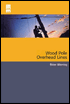
Concentrating on the mechanical aspects of distribution wood pole lines, this informative text includes coverage of live line working, environmental influences, climate change and international standards.
 TABLE OF CONTENTS
 In this chapter, the problem of supplying power economically is covered from the various aspects of choosing underground or overhead, the route, the line voltage, wayleave and the various relevant electricity regulations. Although looking initially at new lines, much of this also applies to refurbishment or change of use of lines. By the end of this chapter, the different functions served by undergrounding or overhead construction will be established. Sometimes, ease of establishing an underground network can mean it is just as easy for someone to dig it up. Wayleave and environmental problems are major negatives for overhead lines, but faults are generally easier to find and quicker to repair compared with underground cables. However, this chapter will not solve this perennial argument it is not intended to but it may help an enlightened choice to be made.
New overhead lines may be required on a permanent or temporary basis. Temporary by-pass lines may be required when a section of original line is being re-built or re-furbished in order to maintain power supplies to the customer. Alternatively, new out-of-town shopping centres or a new industrial estate may require power to be supplied to what was a green field site. These are examples where local demand requires the extension of the current network.
The building of new, small gas-fired or hydroelectric power stations or, as is more common now, wind farms, however, may require lines to connect the power source to a...