The Maintenance Scorecard: Creating Strategic Advantage

Through a unique adaptation of the balanced scorecard approach to asset management, this text provides a structured approach for both the development of strategy and its implementation.
 TABLE OF CONTENTS
 The beginning is the most important part of the work.
Plato
The previous chapter provided a brief overview of how the MSC can be applied via a hierarchy of objectives, or a structured approach. The structured approach consists of linked objectives through three fundamental levels, namely corporate, strategic and functional. (See Figure 2.1) The first step in defining this hierarchy commences at the corporate or executive levels of management. This is done through the definition of the competitive advantages, or corporate objectives, of asset management.
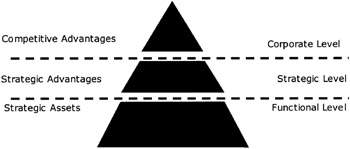
The definition of competitive advantage, within the context of the MSC, refers to the set of unique or hard to duplicate abilities, competencies and capacities contained within an organization that allows it to better compete within the markets that it operates in. These are the desired levels of performance that a company is going to need in order to better compete within its chosen markets.
The task of defining how asset management can contribute to a company s competitive ability is one that is becoming increasingly complex. One of the distinguishing features of asset management in the beginning of the 21 st century is the increasing need to make decisions based on an element of compromise. Although the need for improved financial performance is paramount, it cannot be gained at the expense of other important factors. A decision to purchase assets for a lower initial price needs to be balanced against potentially higher life cycle maintenance costs.