
Pool Pumps Water Pumps
Last Updated: February 12, 2025
Description
Pool pumps are designed to circulate water in swimming pools, ensuring that the water remains clean and clear. They achieve this by drawing water from the pool, passing it through a filtration system, and then returning the filtered water back to the pool.
Working Principle
Pool pumps operate using a motor that powers an impeller. When the pump is activated, water enters through the inlet port. The impeller spins, creating a centrifugal force that moves the water outward from the center of the impeller. This action increases the water's velocity and pressure, pushing it through the filtration system and back into the pool. This continuous circulation is crucial for maintaining water quality and preventing stagnation.
Applications
Pool pumps are specifically used in residential and commercial swimming pools to maintain water circulation and filtration. They are also employed in spa systems and water features that require consistent water movement to ensure cleanliness and proper chemical distribution.
Advantages over other Water Pumps
Pool pumps are specifically designed to handle the unique requirements of swimming pool systems, such as the need for continuous operation and the ability to handle large volumes of water. Unlike other water pumps, pool pumps are optimized for energy efficiency and quiet operation, making them suitable for residential environments where noise and energy consumption are concerns.
Limitations
One limitation of pool pumps is that they are not suitable for applications outside of pool water circulation. They are specifically engineered for this purpose and may not perform efficiently or effectively in other water pumping scenarios. Additionally, pool pumps require regular maintenance to ensure optimal performance and longevity.
Considerations
When selecting a pool pump, several factors should be considered:
- Initial Costs: Pool pumps can vary significantly in price depending on their size, power, and features. It's important to choose a pump that fits the specific needs of the pool while considering budget constraints.
- Operating Expense: Energy efficiency is a key consideration, as pool pumps often run for extended periods. Opting for a pump with a variable speed motor can reduce energy consumption and lower operating costs.
- Durability: The materials and construction of the pump should be robust enough to withstand continuous operation and exposure to pool chemicals.
- Replacement and Maintenance Costs: Regular maintenance is necessary to keep the pump running efficiently. This includes cleaning the pump basket, checking for leaks, and ensuring the motor is functioning properly. Replacement parts and potential repair costs should also be factored into the overall cost of ownership.

from T-Mag Magnetic Drive Pumps
The T-Mag AM Series mag drive pump consists of three sizes of a Mag Drive Pump, the 1/12, 1/4 and 1/3 HP. The fractional sizes are for low flow applications looking for a compact and efficient mag drive pump. With numerous material configuration options, the AM Series mag drive pump will fit well... [See More]
- Pump Type: Magnetic Drive Pump; Pool Pump; Utility Pump; Waste Water Pump
- Liquid Flow: 9.0
- Media: Biofuels, Acids, Combustable, Coolants, Corrosive, Ground Water, Liquids, Oil, Potable Water, Rendering, High Temperature Media
- Discharge Pressure: 7.0
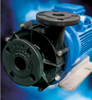
from T-Mag Magnetic Drive Pumps
The AMX Series Mag Drive Pump leaps ahead of the competition with the latest heat dissipation technology and six horsepower ratings to choose from. The AMX Series mag drive pump offers some of the highest flow rates seen in the industry. Ultimately this pump will bring you increased productivity,... [See More]
- Pump Type: Magnetic Drive Pump; Centrifugal Pump; Pool Pump; Utility Pump; Waste Water Pump
- Liquid Flow: 60.0
- Media: Biofuels, Acids, Combustable, Coolants, Corrosive, Fuel, Ground Water, Liquids, Oil, Potable Water, Rendering, High Temperature Media
- Discharge Pressure: 13.0