Advanced Automotive Fault Diagnosis, Second Edition
7.2: Engine operation

7.2 Engine operation

7.2.1 Four stroke cycle

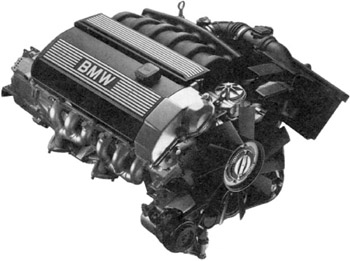
Figure 7.1 shows a modern vehicle engine. Engines like this can seem very complex at first but keep in mind when carrying out diagnostic work that, with very few exceptions, all engines operate on the four stroke principle. The complexity is in the systems around the engine to make it operate to its maximum efficiency or best performance. With this in mind then, back to basics!


Figure 7.1: The BMW 2.8 litre six cylinder engine uses variable camshaft control

The engine components are combined to use the power of expanding gas to drive the engine. When the term stroke is used it means the movement of a piston from top dead centre (TDC) to bottom dead centre (BDC) or the other way round. The following table explains the spark ignition (SI) and compression ignition (CI) four stroke cycles for revision purposes! Figure 7.2 shows the SI cycle.


Figure 7.2: Four stroke cycle

Stroke

Spark ignition

Compression ignition

Induction

The fuel air mixture is forced into the cylinder through the open inlet valve because as the piston moves down it makes a lower pressure. It is acceptable to say the mixture is drawn into the cylinder

Air is forced into the cylinder through the open inlet valve because as the piston moves down it makes a lower pressure. It is acceptable to say the air is drawn into the cylinder

Compression

As the piston moves back up the cylinder the fuel air mixture...

UNLIMITED FREE
ACCESS
TO THE WORLD'S BEST IDEAS

SUBMIT
Already a GlobalSpec user? Log in.

This is embarrasing...

An error occurred while processing the form. Please try again in a few minutes.

Customize Your GlobalSpec Experience

Category: Combustion Engines
Finish!
Privacy Policy

This is embarrasing...

An error occurred while processing the form. Please try again in a few minutes.