2.2 STRUCTURAL INTEGRITY
Each PSE has its own set of integrity requirements based on the criticality situation at each location. However, design criteria can have a common set of goals. Two types are part of every structural design process. One set is based on the nature of the loads and deals with three types:
Ultimate load integrity; static strength;
Limit load integrity; damage tolerance;
"Get-home" load integrity; discrete source damage resistance and damage tolerance.
Ultimate load integrity is the foundation of the classical structural design process, which employs a 1.5 factor of safety to design loads. Composite structure, however, is often more critical for limit loads with damage present. Figure 2.3 illustrates the nature of composite structure criticality.
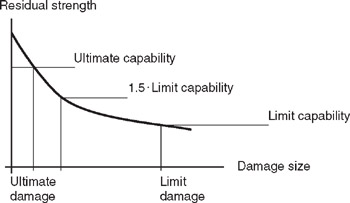 Figure 2.3: Damage tolerance criticality.
 The described situation (damage tolerance criticality) is the typical case for a composite structure, due to requirements of tolerance to accidental damage. The ultimate applied stress, for this case is,
where F B is the B-value ultimate allowable.
So, the ultimate requirements are not dominating in many rational composites designs. However, in combinations of composites and metals and in some applications of composites, it remains important.
It is also important in Fail-safe detail design. For the case of a "lost load path" the "remaining" structure must be able to sustain at least ultimate internal loads (limit external loads).
Limit load integrity deals with structural requirements in the presence of damage, especially damage that is not immediately detected. Damage tolerance in the structure of composites is...


 TABLE OF CONTENTS