OVERVIEW
The building block approach, "BBA," has traditionally been a way to produce design data in a way that represents a structured process to go from coupons to element to sub-components to panels to PSEs to full-scale components to total airplane testing. What should be accounted for in the allowable values and design data columns and what should be accounted for in the columns of the actual structural response due to variations, flaws, damage, loads and environments? This is an often asked question that is very important in structural design, and a question that requires a very careful answer in composite design.
Figure 8.1 illustrates the starting point, which simply stated, says, "when the applied stress (strain) in the critical location is equal to the allowable, F, then the allowable panel load, N = N ( F) ," has been reached.
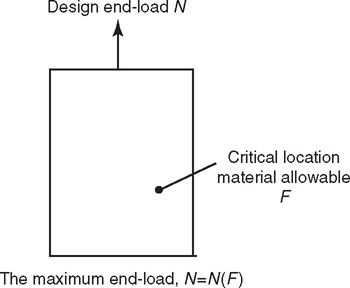 Figure 8.1: Relation between design end-load and material allowables for "material strength critical structure."
 This concept has been extended to include stability critical structure. Figure 8.2 describes a case of a skin-stringer panel.
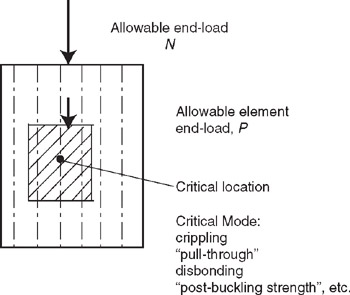 Figure 8.2: Stability critical situation.
 This situation is more complicated due to an intermediate step to element allowables. The element must represent the critical mode of the structure. It could fail in, crippling, buckling displacement induced "pull-through," debonds, locally induced strength failures, post-buckling strength, etc.
The applied stress could be influenced by scatter in tolerances, assembly mismatches and damages (e.g. excessive clamp-up, etc.) flaws, unintended eccentricities (e.g. shims, etc.), secondary effects (e.g.


 TABLE OF CONTENTS