Composite Structures, Design, Safety and Innovation
The design of damage tolerance critical composite structures is inherently more complicated than the practices developed for metal structure. Two different routes are taken. In the commercial world, static strength is dominating the acreage of structure and fatigue rules for the detail designs. Residual strength and crack growth (damage tolerance) mostly play a role in the selection of inspection methods and intervals. However, mostly in the military, damage tolerance plays a significant role in the design and then often introduced as a modification of the ultimate structural allowables (undamaged allowables corrected for the effects of damage and damage growth).
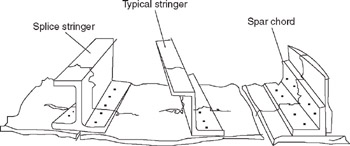
The typical damages introduced and used for the design of metal structure are based on cracks. Figure 9.1 describes the damages that are considered for riveted aluminum skin-stringer tension critical structure.
A PSE consisting of a part of, e.g. a wing lower surface of a commercial airliner would be designed for these types of damage assuming limit load for the overall damage tolerance requirements. This is typically the case for so called "Fail-Safe structure" where in the presence of one of these three damages (among other requirements) the remaining structure can redistribute and carry all the loads.
All these damages consist of a "failed element" and a partial failure of the skin. This type of damage tolerance justifies the use of B-value allowables in achieving ultimate strength. The design world of composite structure presents a considerably more complicated picture. Figure...