HVAC Systems Design Handbook, Fourth Edition
Heating is the first word in the acronym HVAC. It is the most important part because without heating mankind would have difficulty in surviving. Proper design of the heating system is even more critical than that of ventilation or cooling. Human history began to develop with the discovery and control of fire which increased people s ability to survive in a harsh environment. In modern heating system design, two primary concerns are proper system sizing, to achieve comfort, and system reliability. Capital cost, operating cost, and pollution control are secondary in consideration. Pollution control is addressed by code authorities. Energy conservation and operating costs go together and have a considerable effect on life-cycle costs.
These concerns and many others are addressed in this chapter.
In a modern heating system, heating can be provided by
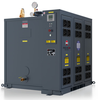
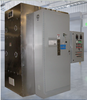
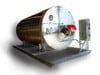
Fuel-fired or electric boilers that produce steam, hot water, or thermal liquids for direct or indirect use
Furnaces, unit heaters, duct heaters, and outside-air heaters which provide hot air for direct circulation to the conditioned space
Waste heat furnaces and boilers which utilize the waste energy from some other source, such as a process, an incinerator, or refrigeration equipment
Solar energy collectors, both passive and active, which heat either water or air and, in some cases, solid materials
Heat pumps, either liquid or air
Direct-fired radiant heaters, either electric or natural gas
Geothermal sources
End users are provided heat by
Direct air furnaces, duct...