Root Cause Analysis Handbook: A Guide to Efficient and Effective Incident Investigation, Third Edition
This section addresses the issue of determining which incidents should be analyzed. In some cases, the choice of performing an investigation is clear-cut. For example, an explosion with a catastrophic release would clearly require an investigation. Sustaining a paper cut while filling out the daily log would clearly not require any investigation. However, what about the incidents that are in between these two extremes?
This section addresses the methods used to make these decisions, with guidance for selecting problems for analysis and addressing barriers for near-miss reporting. In addition, methods for performing chronic incident analyses are also addressed.
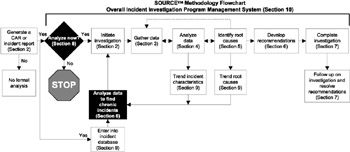
Figure 8.1 shows this step within the context of the overall incident investigation process.
If reporting of incidents is encouraged, the number of reported incidents will increase. If a thorough investigation is carried out for each of these incidents, then resources required for investigations will increase greatly. As each investigation is completed, recommendations will be generated; therefore, the resources required to resolve these recommendations will also increase. Thus, the overall result is that company resources can become overloaded and spread thinner and thinner.
In the end, the quality of investigations and recommendation implementation will decline because there are fewer resources available to address each one. This in turn leads to more incidents occurring and, therefore, more incidents being reported. This just keeps the cycle going. Figure...