Root Cause Analysis Handbook: A Guide to Efficient and Effective Incident Investigation, Third Edition
This section deals with setting up an effective trending program. Trending programs allow organizations to collect and analyze data over a wide spectrum of different types of incidents.
Investigation teams typically focus on the one specific incident they are analyzing and the recommendations they can identify to prevent recurrence of the incident. Organizations, on the other hand, must identify systemic problems that contribute to incidents. Using trending techniques to analyze the data that comes from multiple incidents is a key component in risk-reduction efforts.
This section outlines approaches for developing and implementing a trending program, including guidance on the data to collect, methods to analyze the data, and interpretation of the data trends.
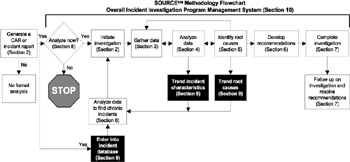
Figure 9.1 shows this step within the context of the overall incident investigation process.
If near misses and accidents are properly reported and investigated, and if the recommendations derived from the investigations are implemented, similar types of incidents should not recur. By performing a trending analysis, systemic issues can be identified and the overall effectiveness of the incident investigation efforts can be assessed.
Correlation provides the basis for a more holistic investigation of systemic or widespread problems. Some of the benefits of an effective trending program include the following:
Facilitates performance status and projections
Identifies persistent management deficiencies (root causes)
Highlights unique, previously unrecognized, or improperly defined risks
Identifies misallocated management resources